
Quesnoy Boutisses: Joint First Prize, 2026 Concours Lumières
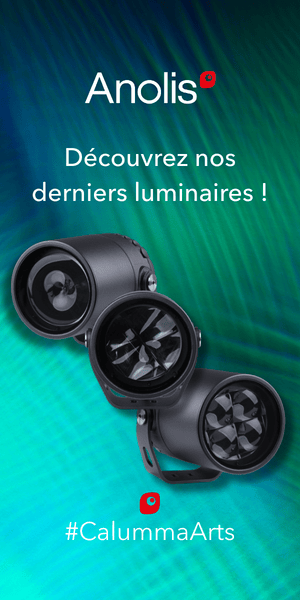
After receiving the 2025 ACEtylène Award from the ACE, the city of Le Quesnoy was also awarded joint first prize in the SERCE 2026 Concours Lumières. With great subtlety, this project by Stéphane Servant and Soizick Bihen shows that architectural lighting can enhance heritage in a different way. Residents and visitors alike appreciate this understated, environmentally respectful approach.
- How does its contemporary lighting design reveal the site’s full richness?
- How does it highlight the volumes, materials, and depth of the moats?
In this article, I take you behind the scenes of a project that showcases France’s defensive architecture. The lighting supports nighttime routes and enhances key views. This nighttime interpretation further strengthens the site’s tourist and heritage appeal. It also affirms Le Quesnoy’s distinctive identity within France.

Le Quesnoy Fortifications Lighting Design
Le Quesnoy, at the Gates of Vauban’s Citadel
Vauban Ramparts
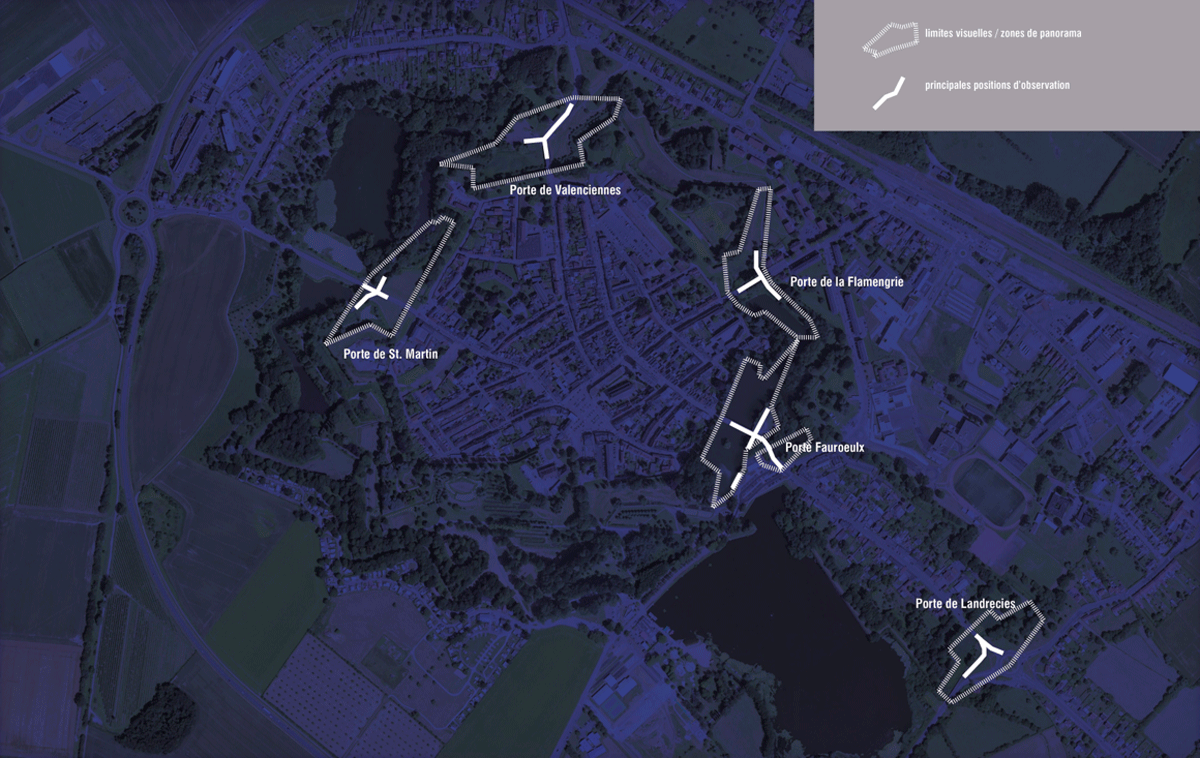
Located in the Hauts-de-France region, Le Quesnoy is a town rich in history. It’s at the center of a triangle formed by Valenciennes, Maubeuge, and Cambrai. The city is especially renowned for its fortifications, designed by Marshal Vauban in the 17th century. Their remarkable octagonal layout, with eight bastions and wide moats, protects the town.
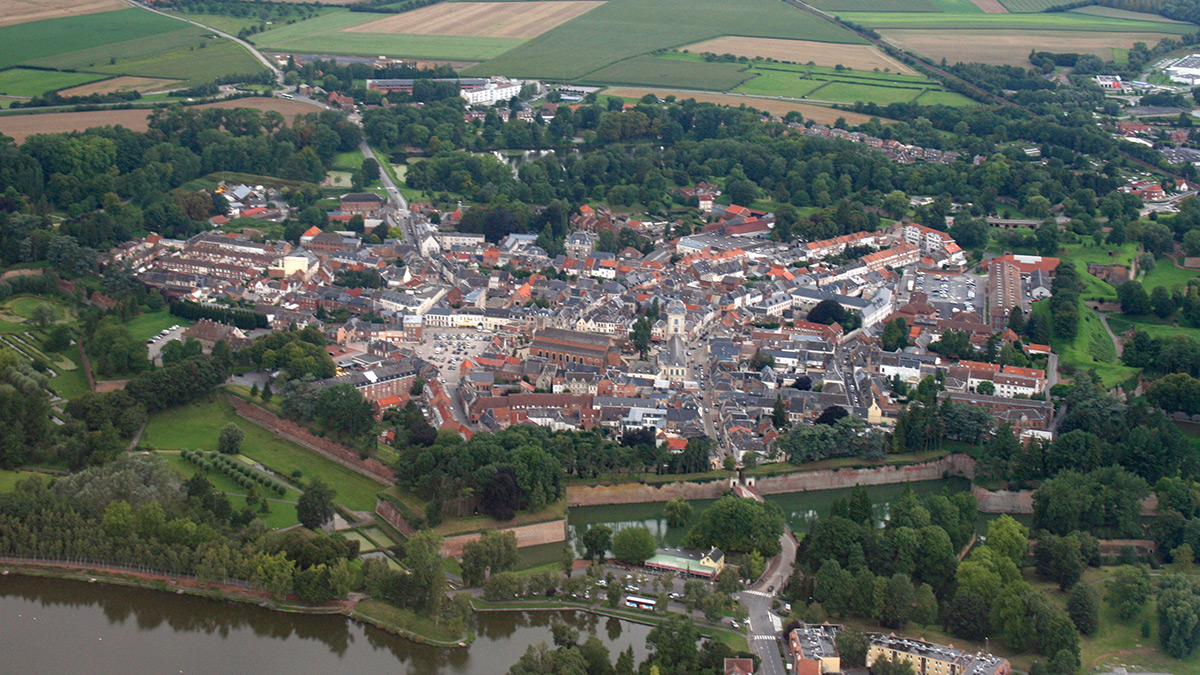
A symbol of this period, the citadel contains five emblematic gates surrounding the castle of Baldwin IV. In addition, an ingenious network of ponds and canals completes the ensemble. In the event of a siege, the surrounding area could be flooded.
The Citadel in History
Throughout history, the walls of Le Quesnoy have played a decisive role. For example, in 1918, the town was liberated without major destruction, which helped preserve the site’s authenticity. Today, the whole complex retains exceptional architectural coherence. The polygonal bastions create a clear and majestic military silhouette.
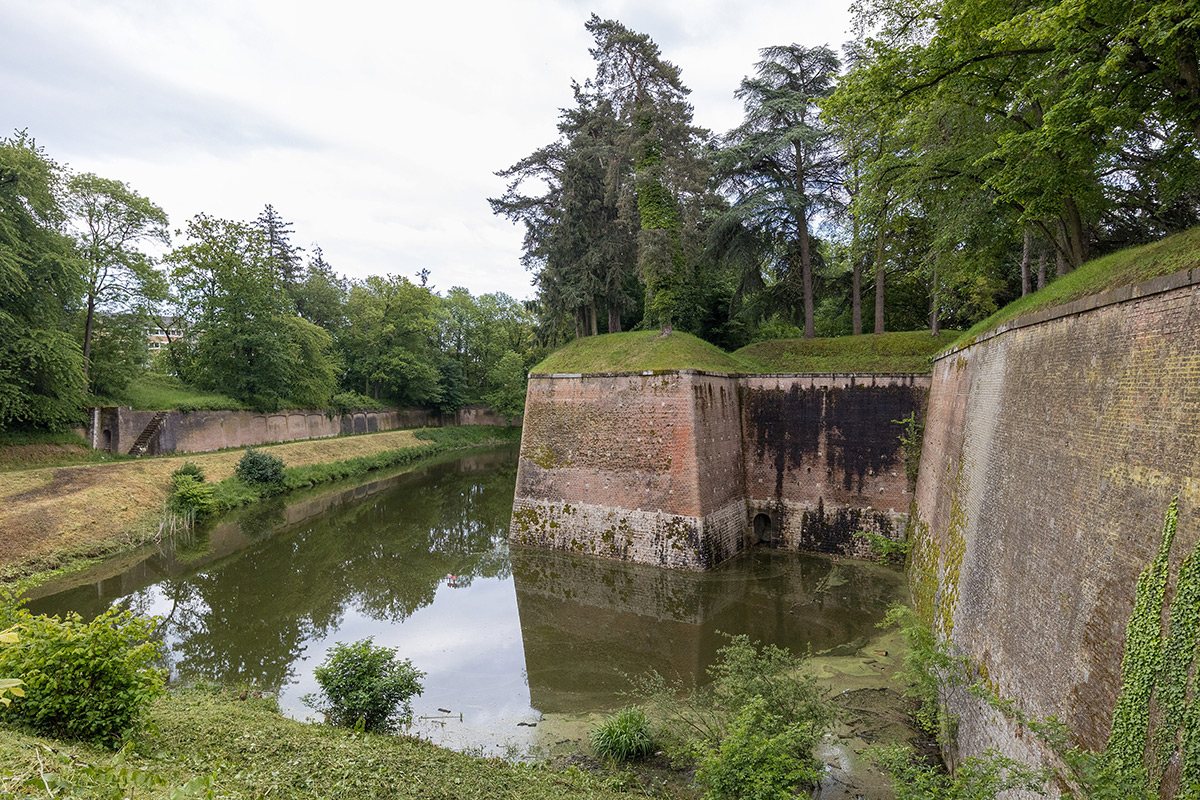
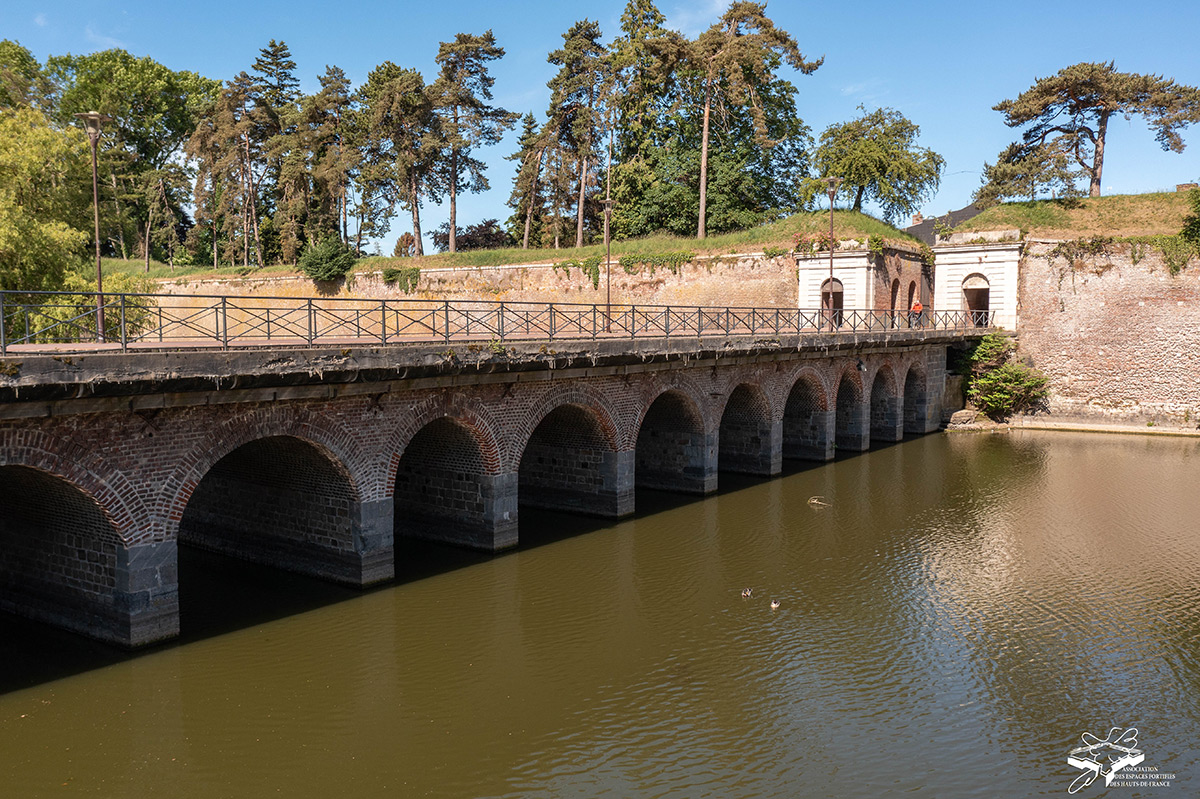
The brick and sandstone ramparts, fortified gates, and moats still make a strong impression. Listed as historic monuments, these fortifications remain very alive today. Residents and visitors use the developed pathways every day, shaping the landscape around 12 kilometers of walking routes. Finally, the site also hosts guided tours, cultural events, and commemorations.

Lighting Design for the Project
Initial Stages and Preliminary Design
The tourism and environmental enhancement project for the town of Le Quesnoy began in late 2020, following the award of a public project management contract. The team consists of four firms:
- Heritage architect: François Bisman, lead consultant
- Landscape designer: Envergure, Fabienne Guinet
- Engineering: Verdi
- Lighting design: Atelier S2, Stéphane Servant
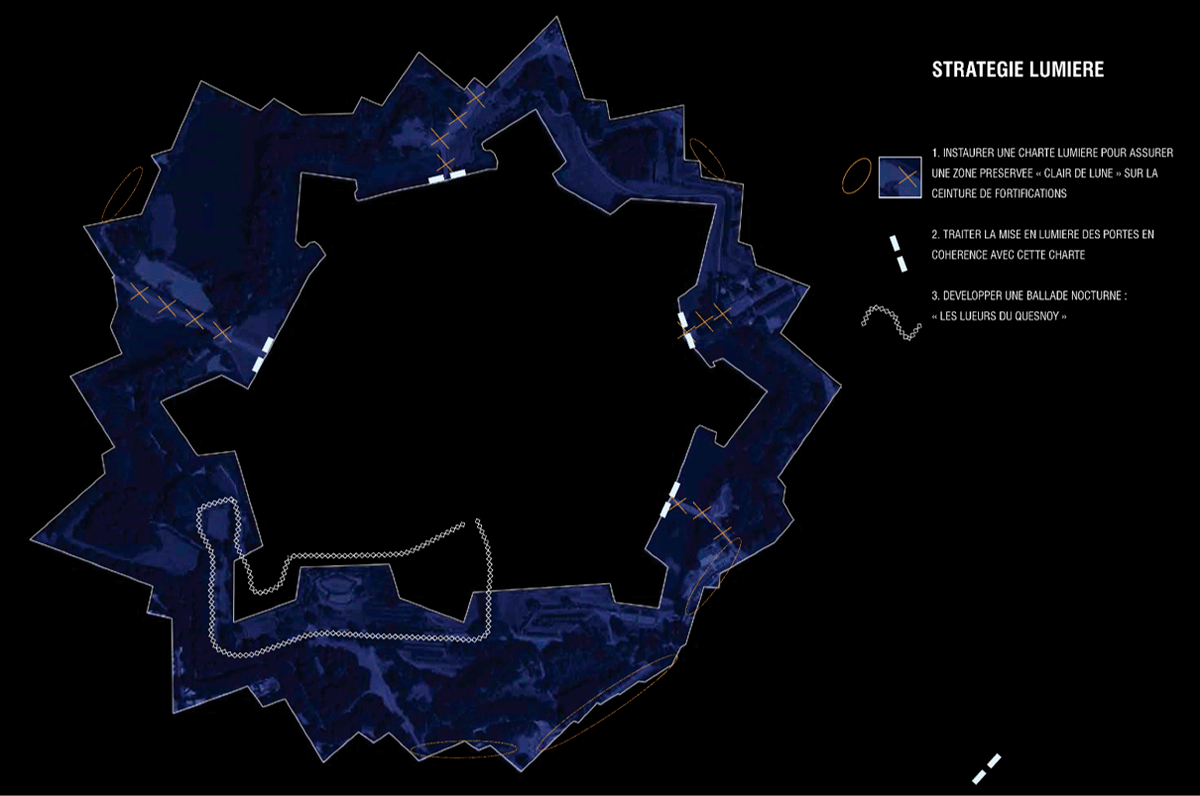
“The preliminary studies carried out in early 2021 made it possible to propose an overall lighting strategy for the site,” explains Stéphane Servant:
- A lighting charter for an area described as a “moonlight” zone along the ring of fortifications
- Illumination of the gates in keeping with the charter
- A proposal for a nighttime walk: “The Glimmers of Le Quesnoy”
By late 2021, the preliminary design phase focused on the principles for illuminating the gates. It included lighting concept sketches, technical selections, lighting layout plans, and preliminary cost estimates.
Change of Lighting Designer
In late 2021, after 15 years of practice in architectural lighting, Stéphane Servant embarked on a new passion project. Following specialized training, he became a saxophone repair technician and founded the Grain de Vent workshop. As a result, he had to step away from the project and find someone to continue the lighting design work. With the agreement of the City of Le Quesnoy and the lead architect, he proposed that Soizick Bihen agency take over the project and ensure continuity.
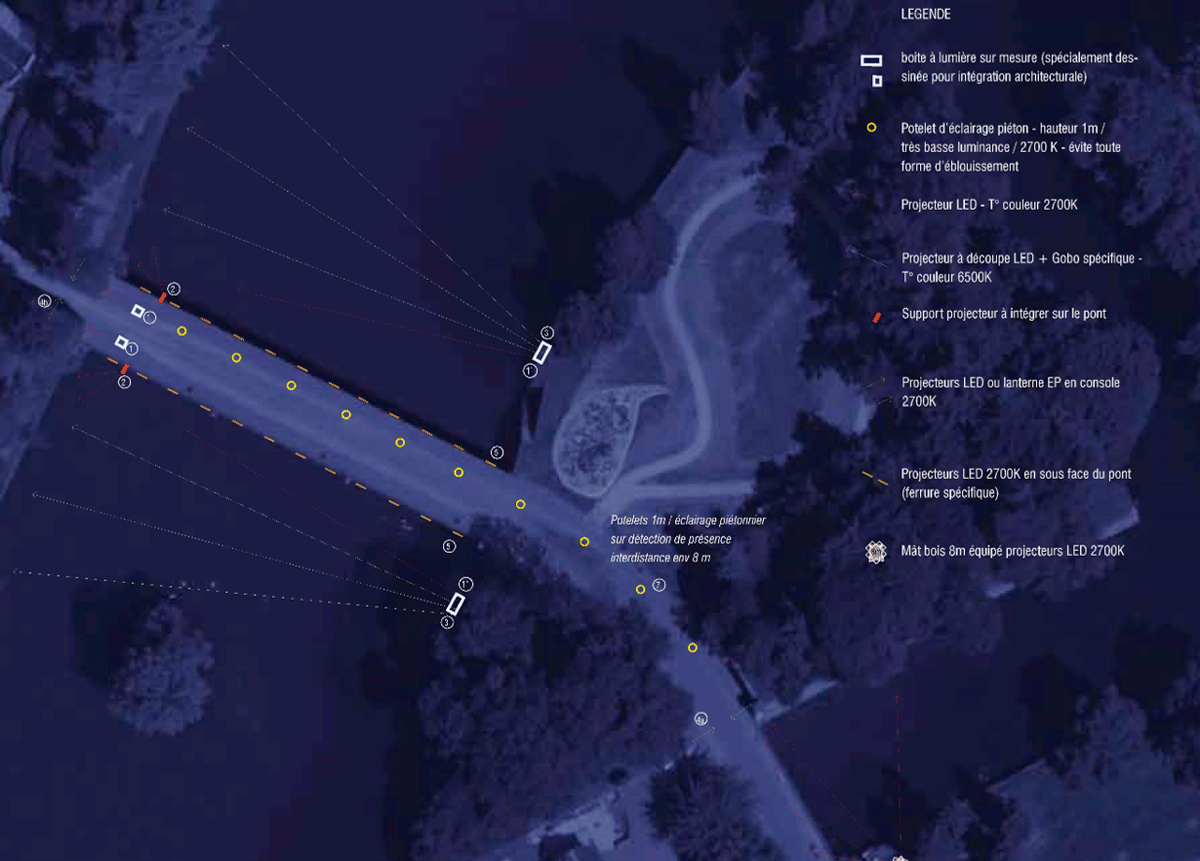
At the beginning of 2022, lighting designer Soizick Bihen officially took over the assignment. After a handover period and preliminary mock-up testing, the project entered the design phase. “I changed almost nothing in his study, because the concept was sound, relevant, appealing, and had been approved by the municipality,” she explained in Lumières 3e magazine. A file was then submitted to the Architect of the Buildings of France, followed by a tender process to select an electrical contractor. Construction oversight and precise lighting adjustments were then carried out.
Illuminated Pattern on the Boutisses
The Structural Role of the Headers
Famous for their boutisses, also call headers, the ramparts of Le Quesnoy contain stone tie beams. Anchored in the embankment, they strengthen the walls. These structures were designed to disperse the shock waves from explosions and projectiles. In the event of an attack, they provided better defense; their role was therefore crucial.
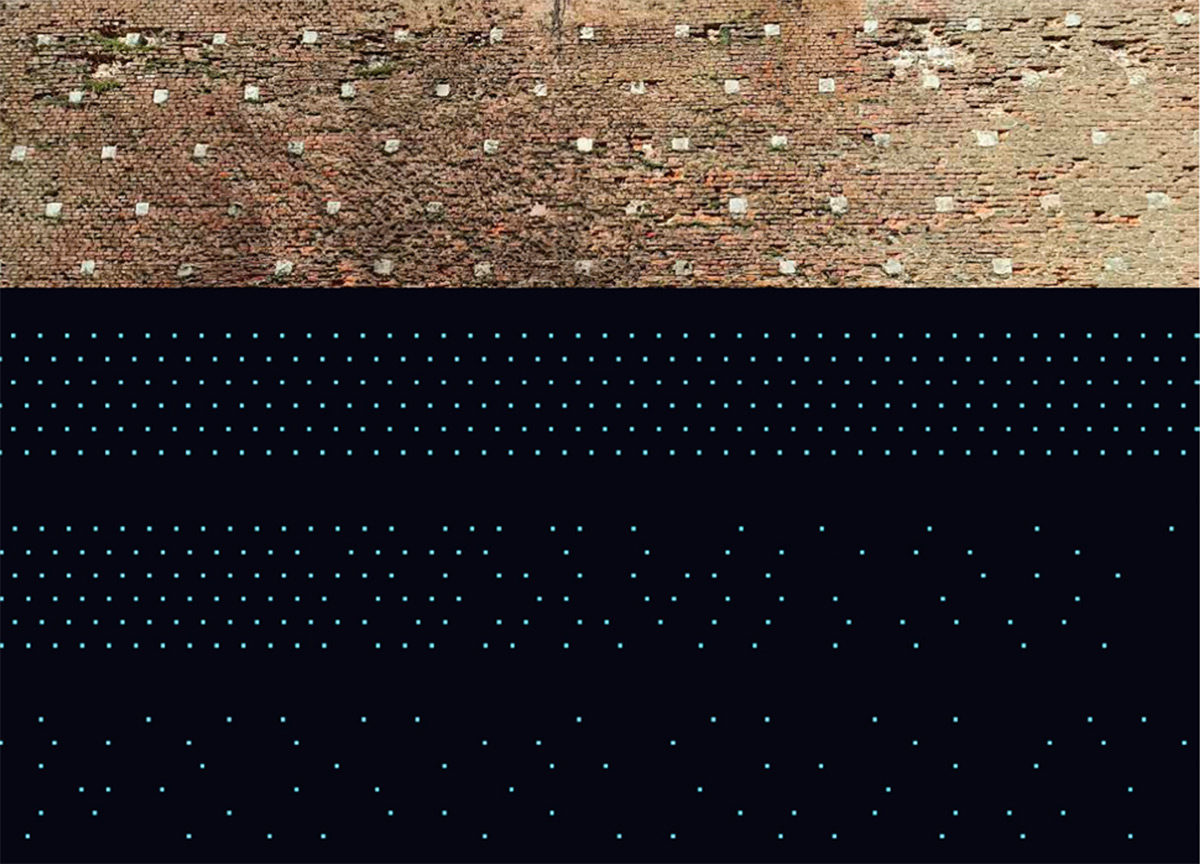
Today, these small white squares on the fortifications, beyond their structural function, also add a striking aesthetic touch. Their light color reflects illumination, which led to their enhancement through targeted lighting projections.
How Are the Boutisses Lit?
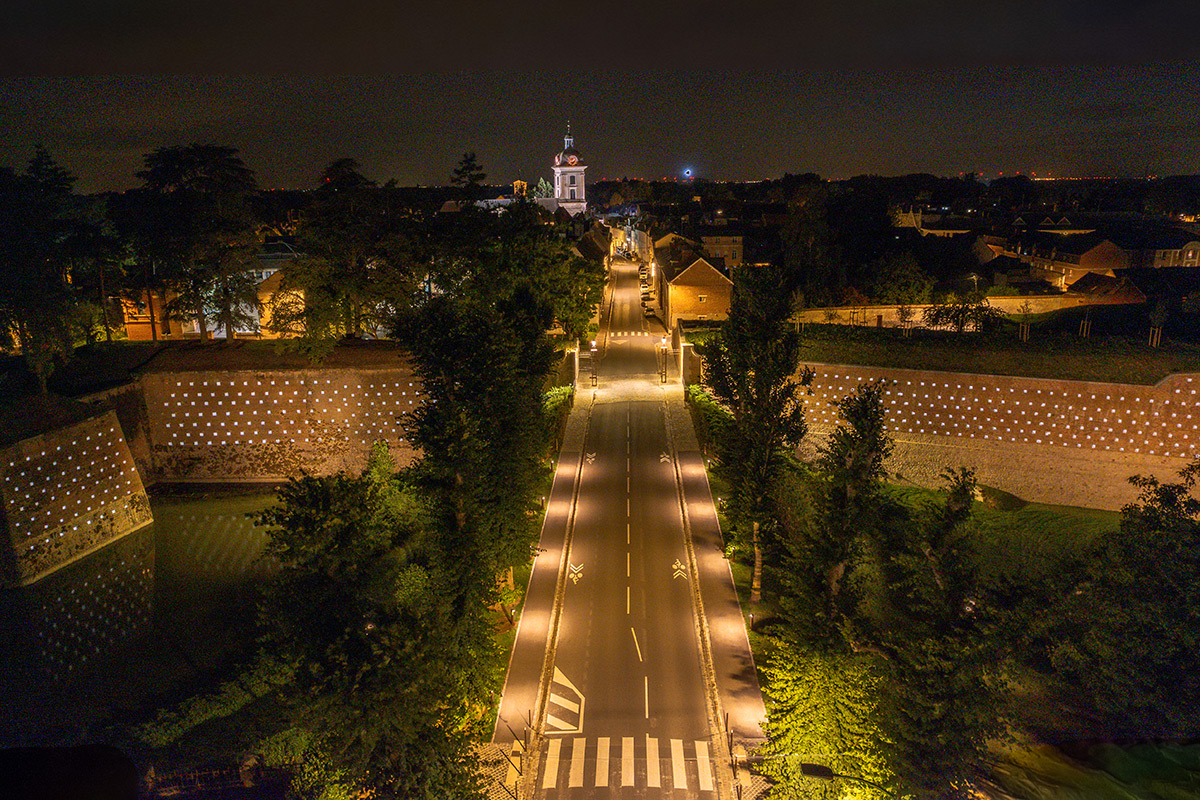
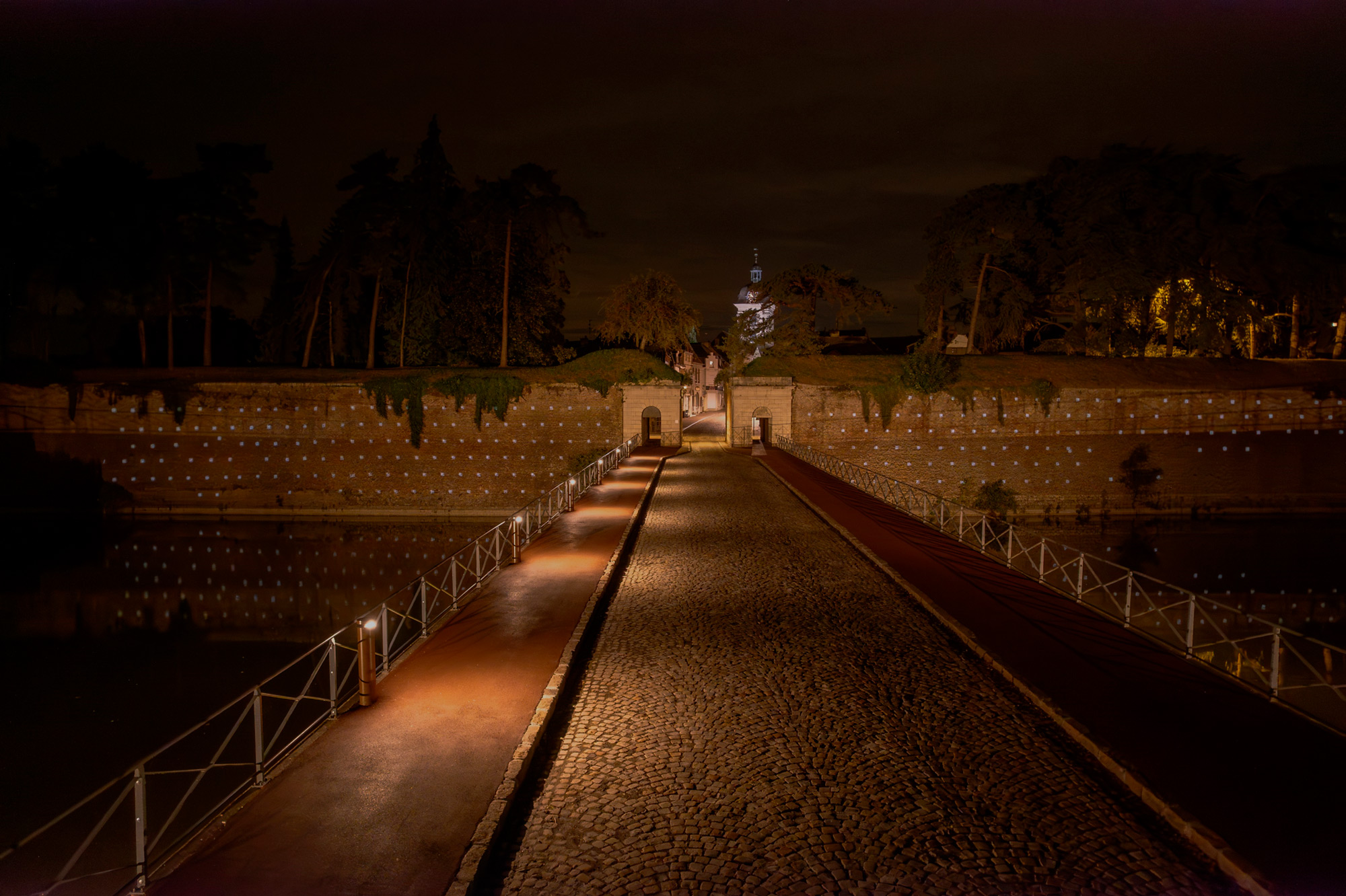
Precisely illuminated, the headers have become the powerful nighttime signature of the four gateways leading into Le Quesnoy’s town center. They combine two types of architectural lighting:
- Accent lighting on the headers in cool white, 6,700 K, which redraws the light-colored stone squares.
- Wash lighting on the fortifications in warm white, 2,700 K, highlighting the brickwork and contrasting with the headers.
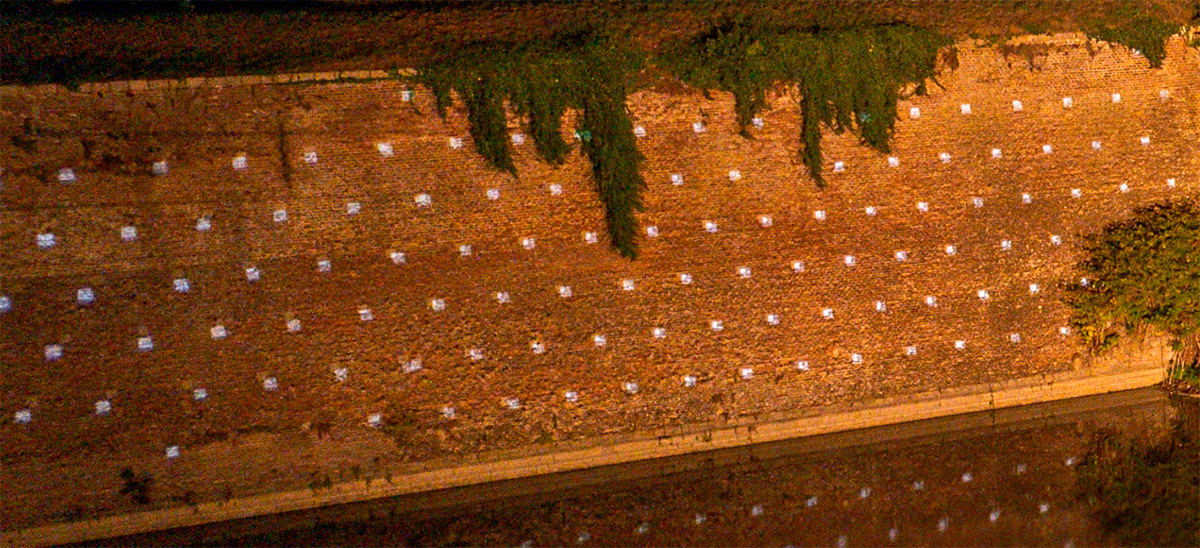
At 65 m, Derksen gobo projectors are used to illuminate the headers, as detailed in the Éditions Prismes article on lighting projections. They are mounted on two needle masts at the bridge entrances, on either side of each gateway into the town.
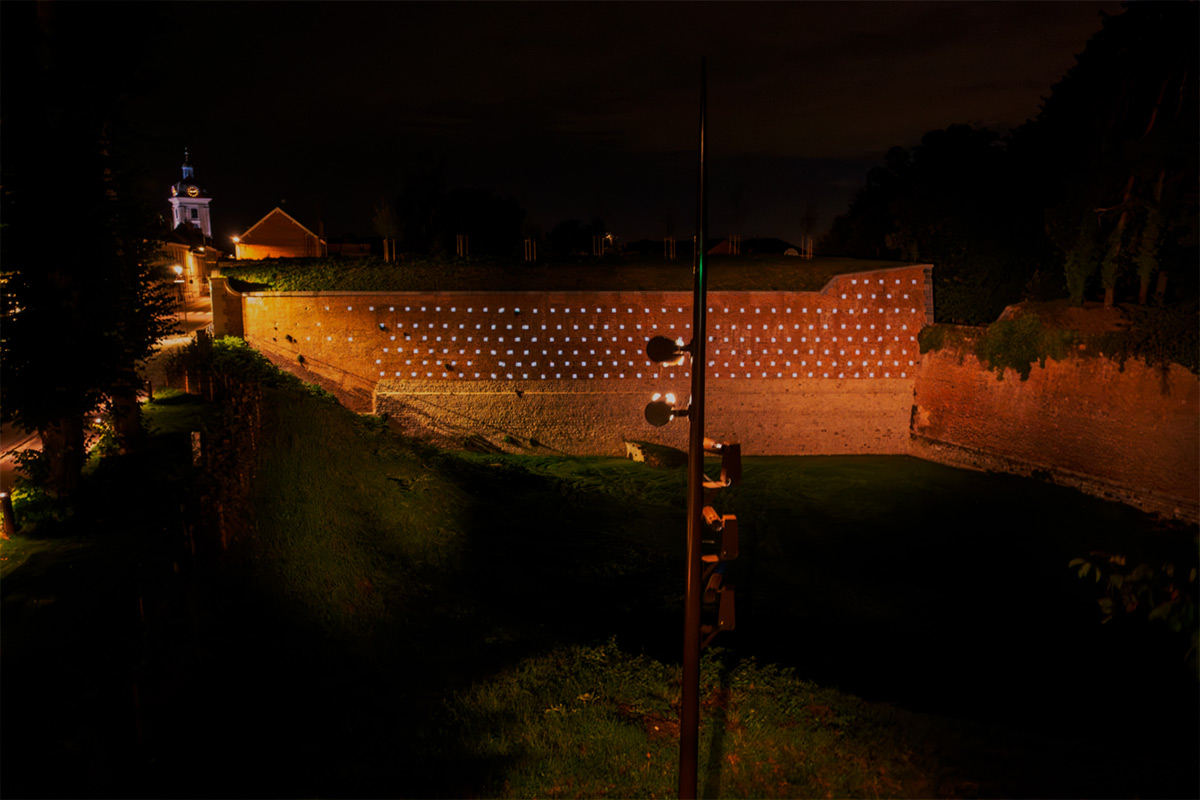
This lighting design emphasizes the materiality and rhythm of the fortifications. It reinforces not only their historic character, but also their visual prominence within the town.
Urban Lighting at the Crossings
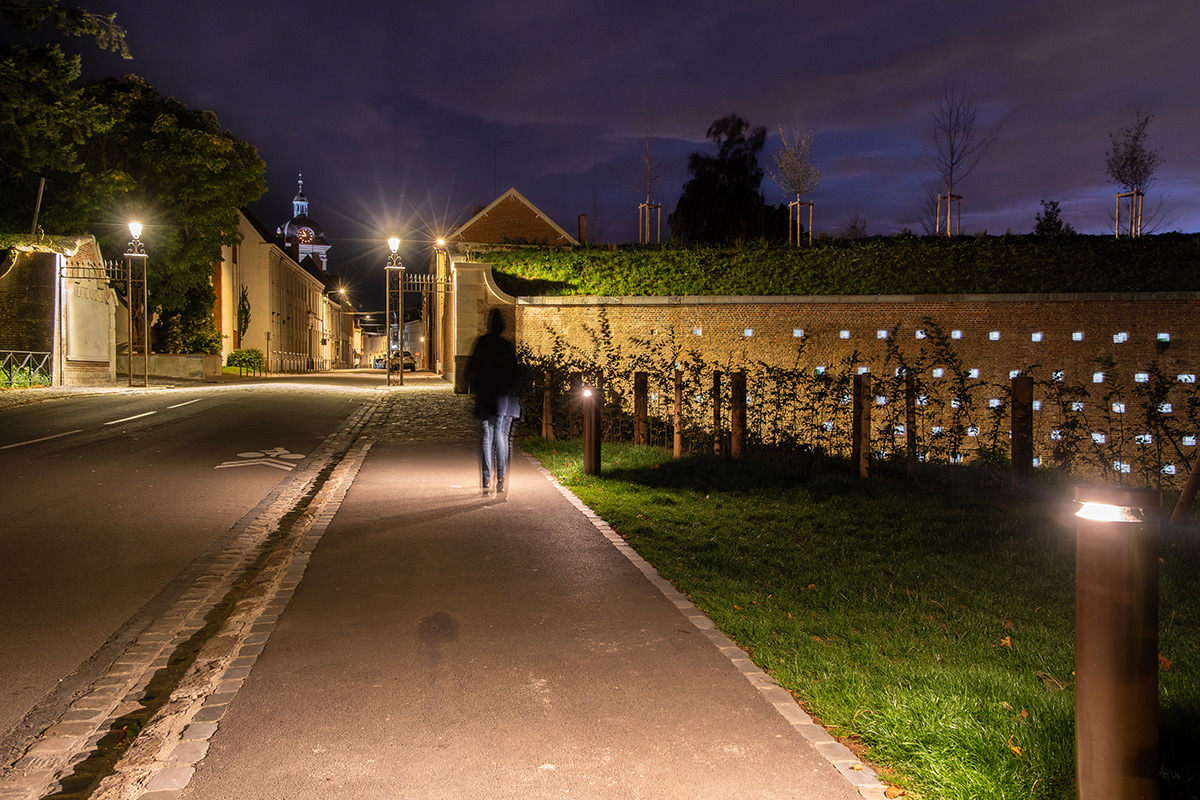
Low Bollards for Public Lighting, La Flamengrie Gate
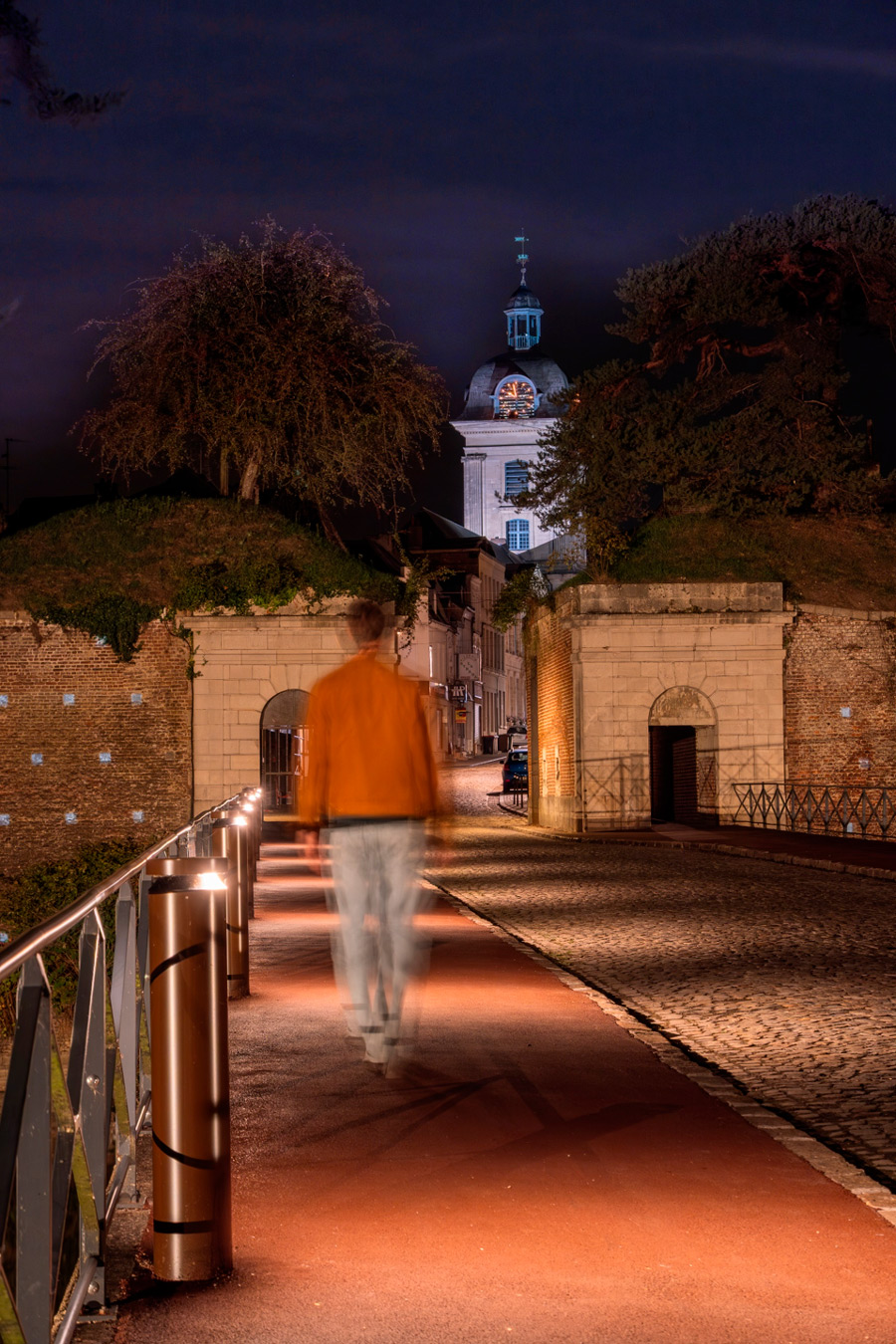
To preserve the “moonlight” effect around the fortifications, almost all pole-mounted public lighting has been removed from the city entrances. Lighting is instead designed at a human scale—targeted and softer—to guide people across the bridges.
Low bollards from iGuzzini were therefore installed for the site’s urban lighting. Standing 90 cm high, they emit a warm 2,700 K light in a 180-degree spread around each fixture.

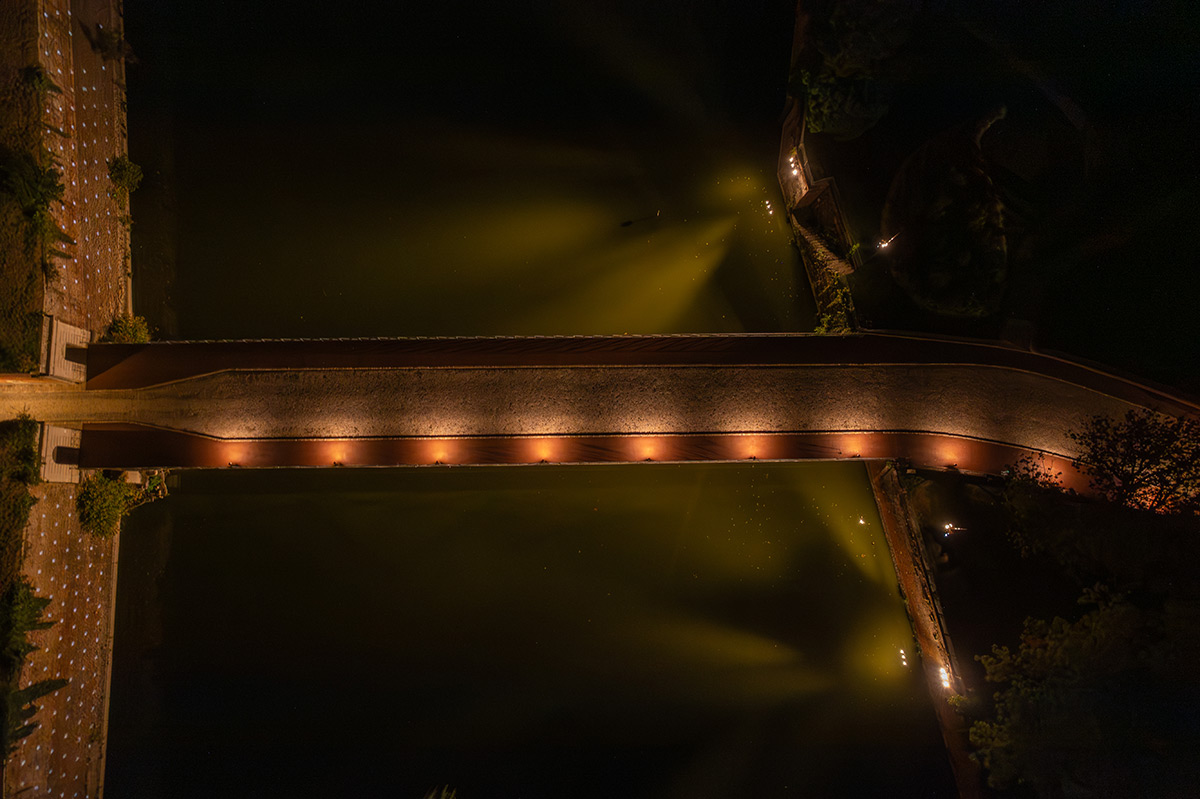
Indirect Lighting for the Bridge, Valenciennes Gate
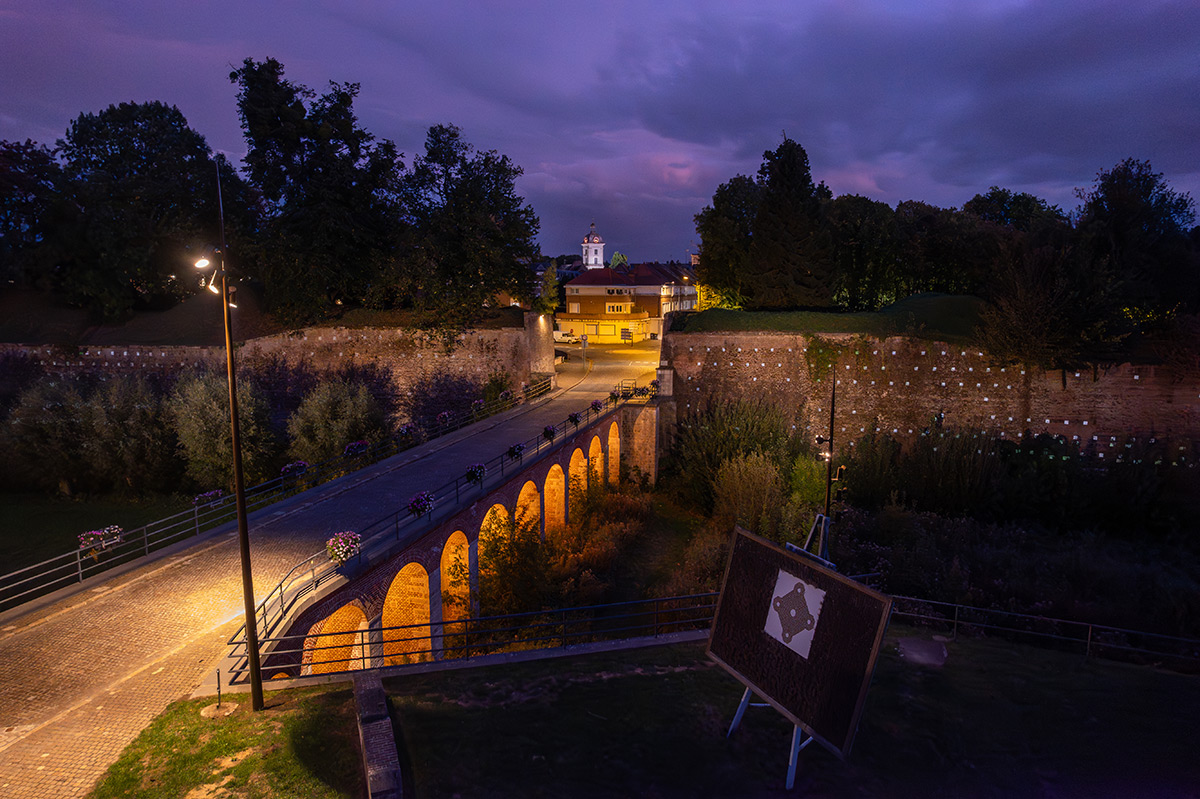
The Valenciennes Gate, built in 1400, still retains a visible tower today. Modified in the 19th century under Séré de Rivières, it was partially demolished at the beginning of World War II.
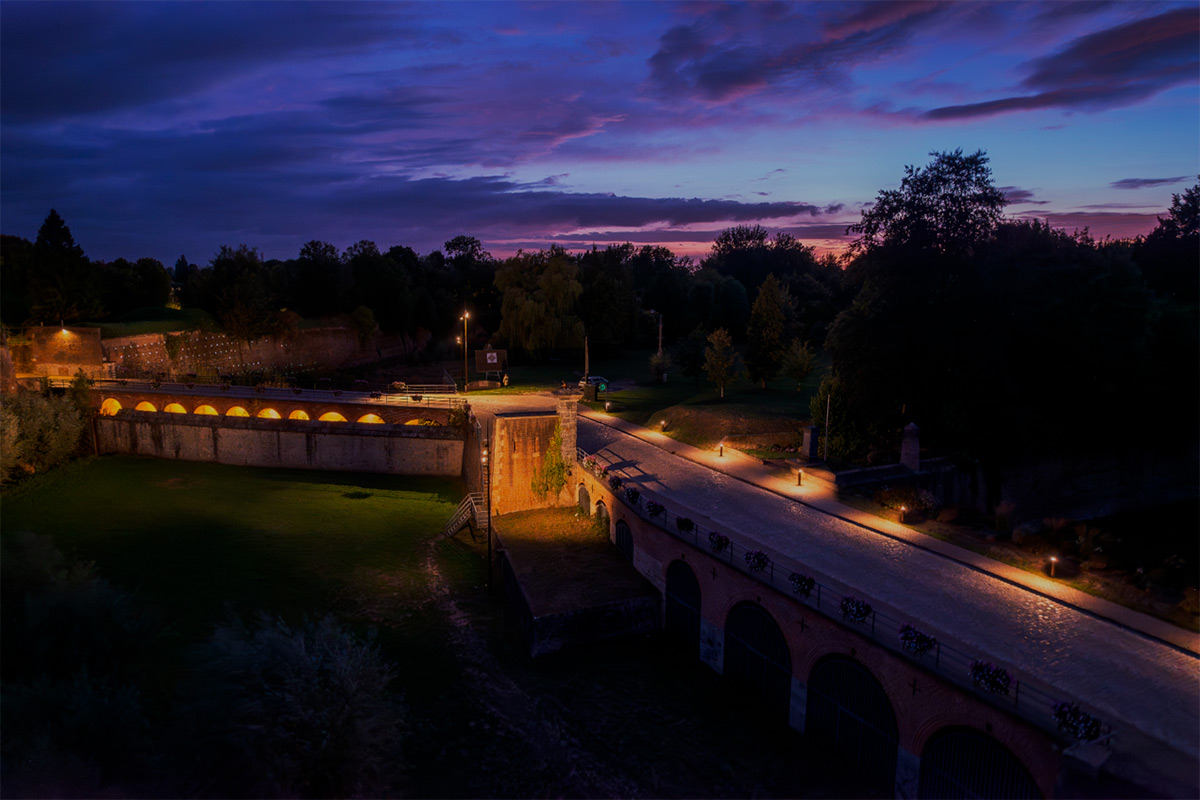
“The arches of this bridge are the only natural area we illuminated, because they will become part of the future nighttime promenade to be developed below at a later stage,” explains Soizick Bihen. As a result, a golden light (2,200 K) gently washes the undersides of the arches.
Environmental and Sustainability Approach
Reducing Light Pollution
The project incorporates numerous measures to limit light pollution, the most significant being the removal of existing public lighting within the project area. The lighting designers selected low-energy LED fixtures. Luminaires are aimed at the ground or walls, avoiding direct illumination of the sky. The beams are adjusted with glare shields to highlight contours without causing glare.
Biodiversity and Maintenance
To help preserve biodiversity, a color temperature of 2,700 K was chosen for all urban lighting. Depending on the event, the architectural lighting is turned off from 11:00 p.m. to 7:00 a.m. Dimming strategies and time-based programming can also be implemented, further optimizing the already very low energy consumption of the entire installation.
The choice of materials and the placement of fixtures respect local ecosystems. Maintenance is carried out by local teams, minimizing travel.
Lighting Control Based on Use
The “moonlight” concept is also expressed through a drastic reduction in light levels. Thanks to the use of LED sources and an energy-efficient lighting design, the site’s new architectural and public lighting consumes a total of only 3,612 kW.
Using a DALI protocol, along with astronomical clocks, the lighting control system optimizes operating times and light levels according to actual occupancy needs and the different periods of the night.
Recognition for the Lighting Design
Following the completion of the work, this magnificent lighting scheme was officially inaugurated in June 2025. To date, it has already received two awards for its distinctive and flawlessly executed lighting design.
- ACEtylène Award from the ACE, Built Heritage category, awarded in late November 2025
- First Prize Concours Lumières (joint winner) in the SERCE awarded in May 2026.
The jury for the latter praised: “the elegance and precision of the lighting design for the fortifications of Le Quesnoy. Through the subtlety of its treatment and the restraint of its approach—even diminishing the impact of the surrounding street lighting—this project proves that it is possible to enhance a site without excessive illumination. The gates, discreetly lit, suggest another facet of the town, full of poetry, as if inviting visitors to explore it.”
The Le Quesnoy project illustrates how lighting design can transform a historic space into a vibrant place. By combining innovation, respect for heritage, and environmental responsibility, it offers a model worth following. These awards reflect a successful achievement that will no doubt inspire other cities to rethink their relationship with urban lighting.
Press Review and Sources
- Vincent Laganier, Nommés 2025 au Prix de la mise en valeur du patrimoine bâti, Light ZOOM Lumière, 19 novembre 2025
- Un projet nommé au Prix de la mise en valeur du patrimoine bâti 2025, Verdi, 19 décembre 2025
- Vincent Laganier, Conception lumière 2025 : mémoire, patrimoine et écologie, Light ZOOM Lumière, 28 novembre 2025
- Filière 3e, Prix ACEtylène 2025, Lumières 3e, 9 décembre 2025
- Jacques-Franck Degioanni, Prix de l’ACEtylène : le palmarès 2025 dévoilé, Le Moniteur, 10 décembre 2025
- Paul Schuler, Le Quesnoy : un prix national pour la mise en lumière des remparts, Canal FM, 24 décembre 2025
- Stéphane Servant, Mise en lumière – Le Quesnoy – Prix du patrimoine bâti, Graine de Vent, 29 décembre 2025
- Isabelle Arnaud, Le Quesnoy : clair de lune sur les remparts, 20 mars 2026, revue Lumières 3e
- Aude Grard, Éclairer l’espace public autrement – les projections lumineuses, 26 mars 2026, éditions Prismes
Learn More
- Brumadinho Memorial: Memory Lighting Design in Brazil
- IALD Enlighten Europe Comes to Paris: Discover the Program
- Joyau thermal de Vichy : 3e prix Concours Lumières 2026 (en français)
- Le glacis du château en lumière à Pau : [d]arc awards 2026 (en français)
- Château royal de Blois : Païlum illumine le patrimoine (en français)
Top photo: Le Quesnoy, porte de Fauroeulx, citadelle de Vauban, France – Lighting design Stéphane Servant, Soizick Bihen – Photo © Nicolas Jouve
Équipe du projet
Livres
Éclairage et lumière du IIIe millénaire, 2000-2050, un livre collector
 |
Le phénomène éclairage a vécu une mutation. Ville, architecture, conception lumière, pollution lumineuse... Qu'en sera-t-il demain ? |
Poursuivez votre recherche