
What Is a Solar Eclipse? Everything to Know on August 12, 2026
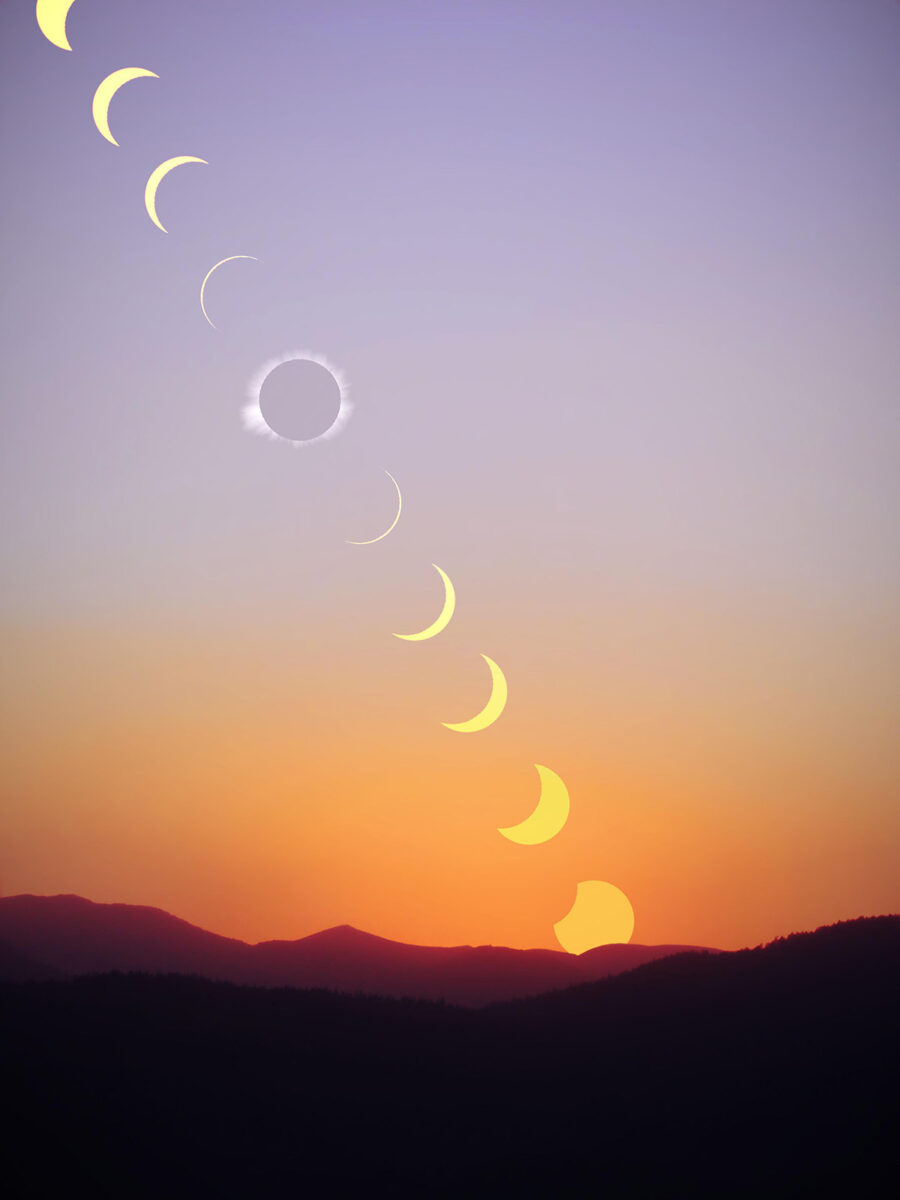
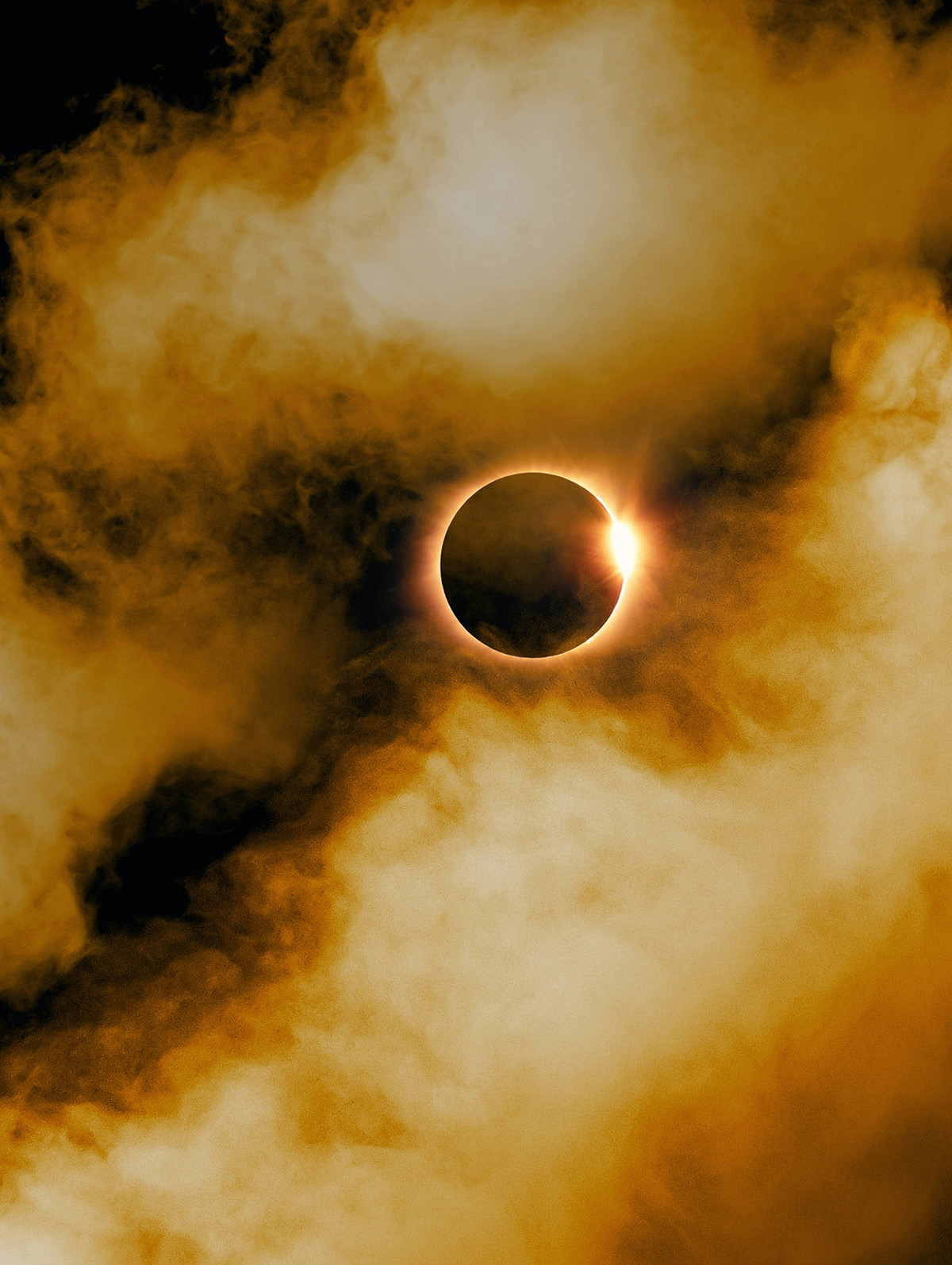
Next August 12, a remarkable partial solar eclipse 2026 will be visible across France. In several regions, more than 96% of the Sun’s disk will be obscured. In the southwest, the spectacle at sunset will be especially dramatic. Although this upcoming solar eclipse will be visible throughout mainland France, it will not be total anywhere in the country.
[Article updated: July 24, 2026]
The event is already shaping up to be a major public moment. This solar eclipse 2026 will transform a summer evening into an almost surreal scene. For lighting designers, architects, and landscape architects, it will also offer a full-scale natural laboratory for observing atmosphere, contrast, and shadow.
As the August 12, 2026, solar eclipse unfolds, the light will slowly recede across France. Cities, gardens, façades, and coastlines will take on a different character. This eclipse will serve as a simple yet powerful reminder: even the landscapes we know best can suddenly become mysterious again in the fading twilight.
Solar Eclipse of the August 12, 2026
- What Is a Solar Eclipse?
- How to Watch the Next Solar Eclipse Safely
- What to Buy Certified Eclipse Glasses for August 12
- Where to Buy Certified Eclipse Glasses for a Solar Eclipse
- How Does a Solar Filter Work for Viewing an Eclipse?
- How to Observe a Solar Eclipse by Projecting It onto a Light Surface
- Trajectory of the August 12, 2026 Solar Eclipse
- When and Where to Watch the August 12 Eclipse in France
- Solar Eclipse in France: Times and Coverage on August 12, 2026
- Best Places to See the August 12, 2026 Solar Eclipse in France
- What are the next solar eclipses visible from France?
- Lear more in French
- Commentaires
What Is a Solar Eclipse?
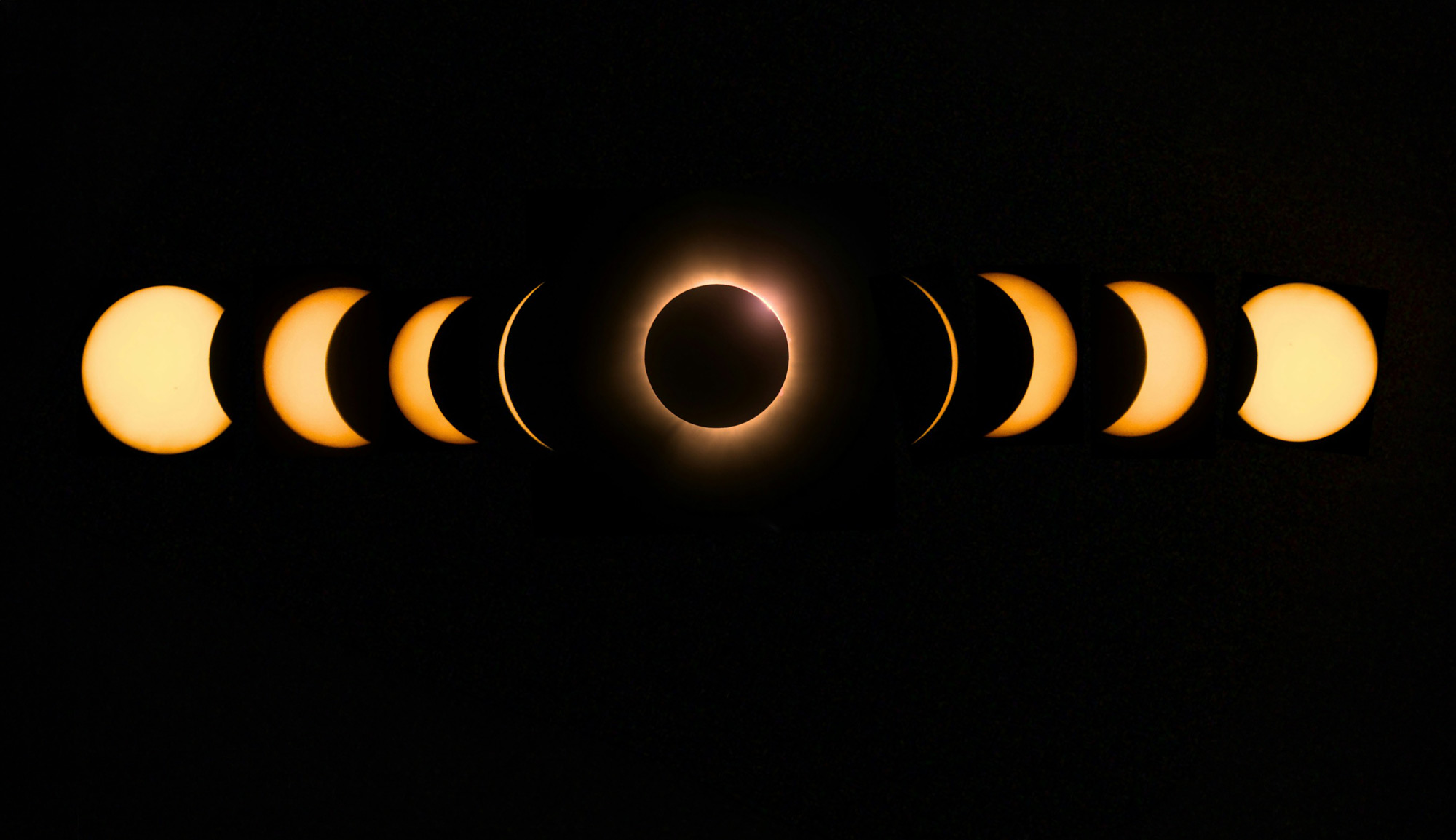
A solar eclipse happens when the Moon passes between the Earth and the Sun, blocking part of the Sun’s disk from view. A solar eclipse can be partial, total, or annular, depending on how much of the Sun is covered.
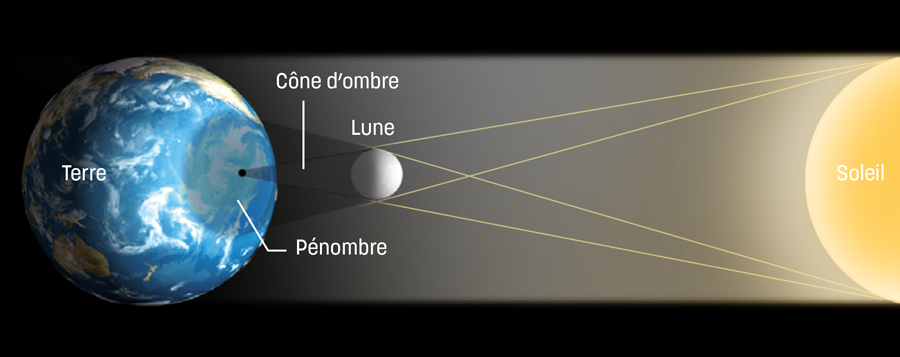
On August 12, 2026, France will witness a partial solar eclipse of exceptional magnitude, making it one of the most anticipated astronomical events of the year.
What Is a Total Solar Eclipse?
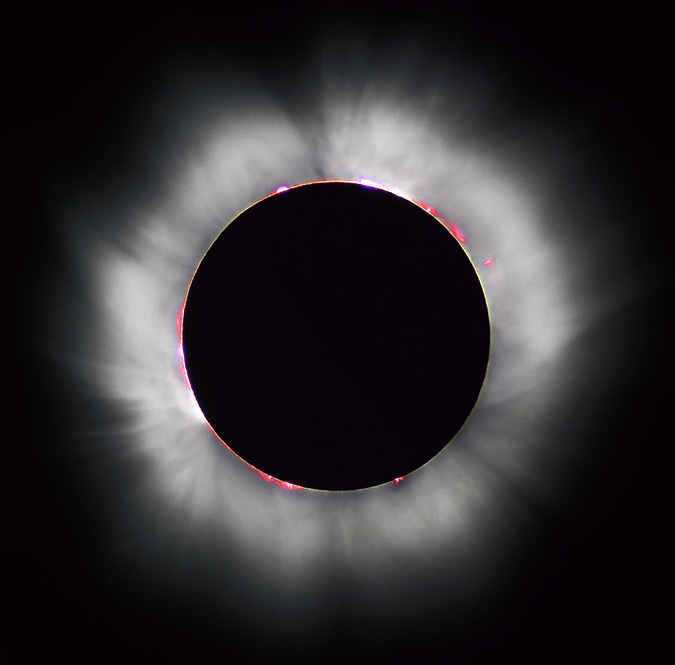
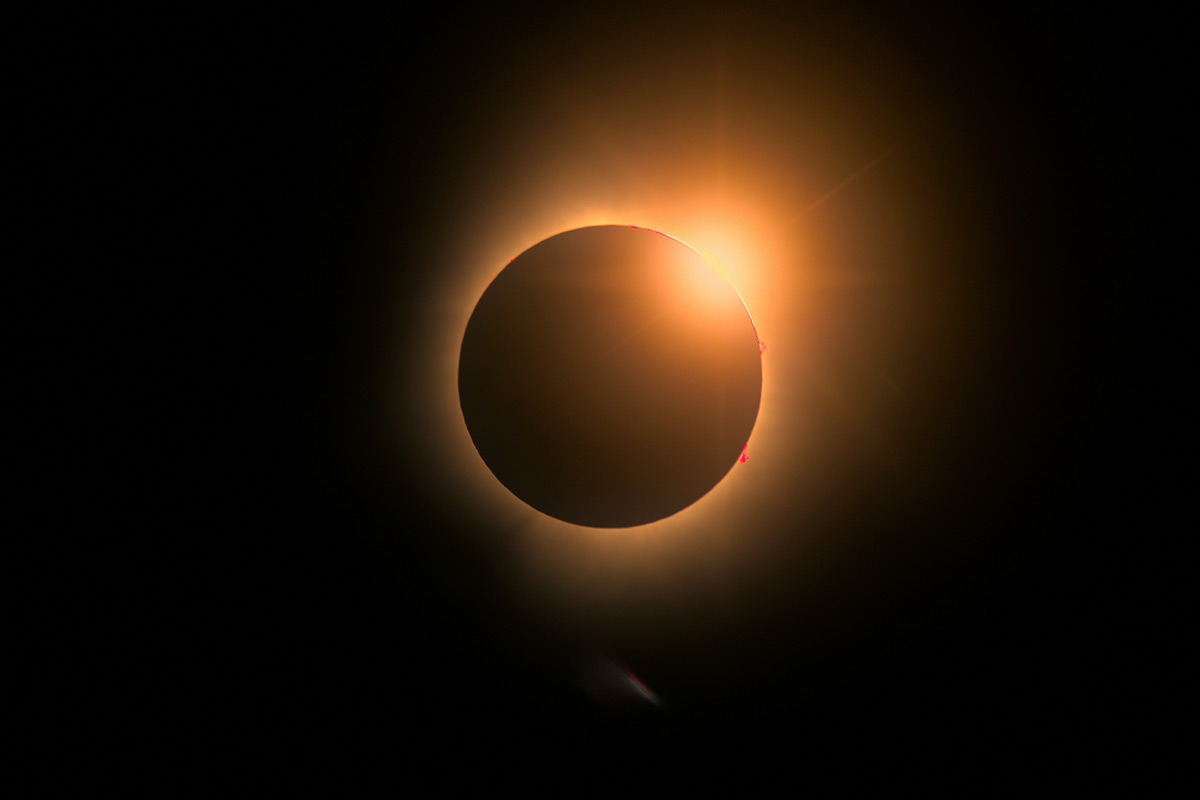
A total solar eclipse occurs when the Moon completely covers the Sun’s disk. Daylight suddenly fades, temperatures can drop, and the solar corona becomes visible around the darkened Sun.
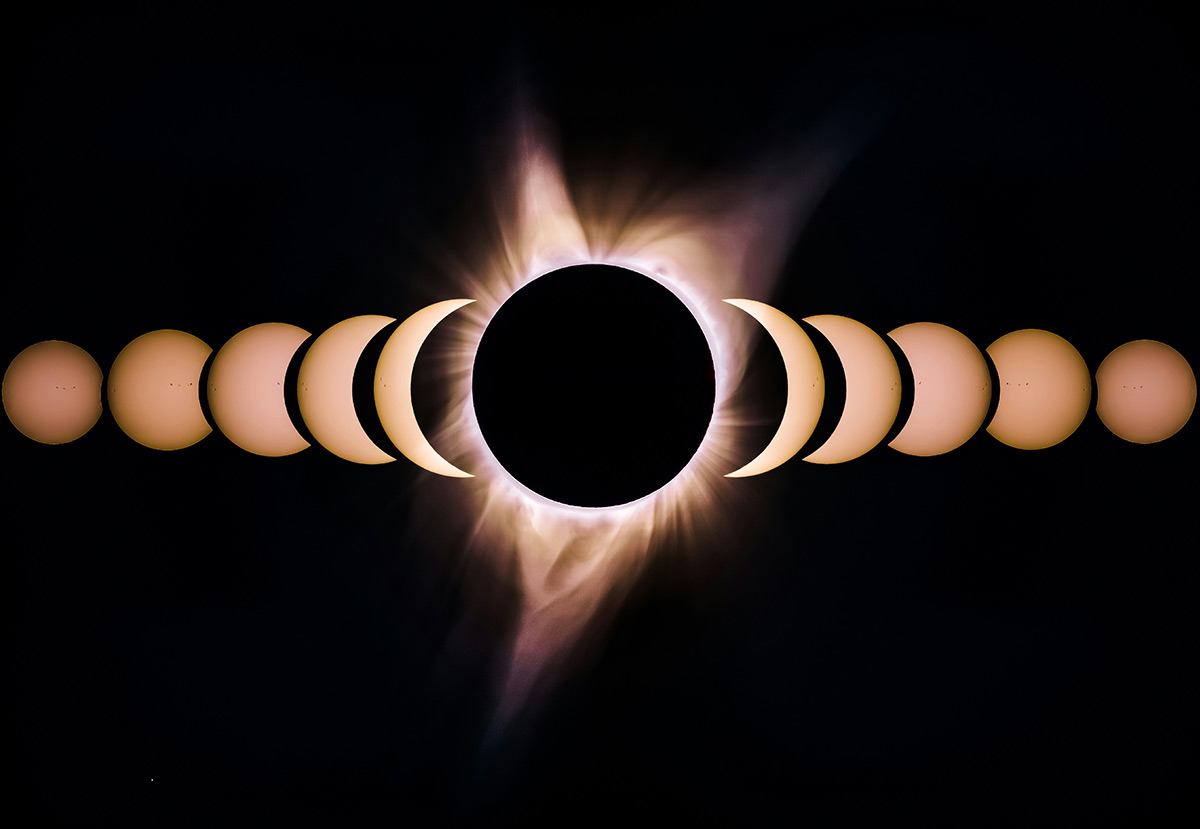
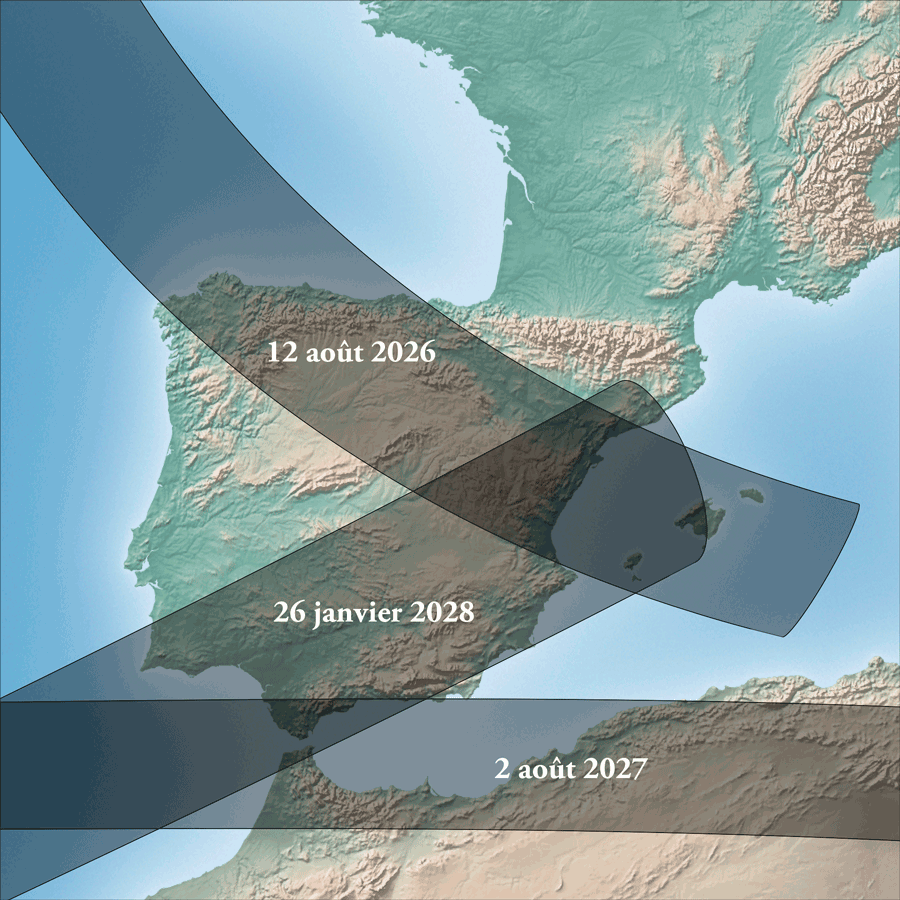
To experience the total solar eclipse of August 12, 2026, viewers will need to travel to Spain. The path of totality will cross a defined corridor, including Oviedo, Burgos, and Palma. Along this route, the sky will darken dramatically and daylight will briefly disappear.
For astronomy enthusiasts, the moment promises to be extraordinary. For first-time observers, it will be a rare and unforgettable experience.

Light, Color, and Shadow During a Solar Eclipse
A solar eclipse creates striking changes in light, color, and shadow. In France, daylight will dim noticeably, even though it will not vanish completely during the partial eclipse.

Colors often appear cooler and more muted, then may shift toward warmer orange tones, similar to the light seen near sunset. For lighting designers and engineering consultancies, the 2026 solar eclipse offers a remarkable example of a natural lighting transition that is almost impossible to recreate artificially.
How to Watch the Next Solar Eclipse Safely
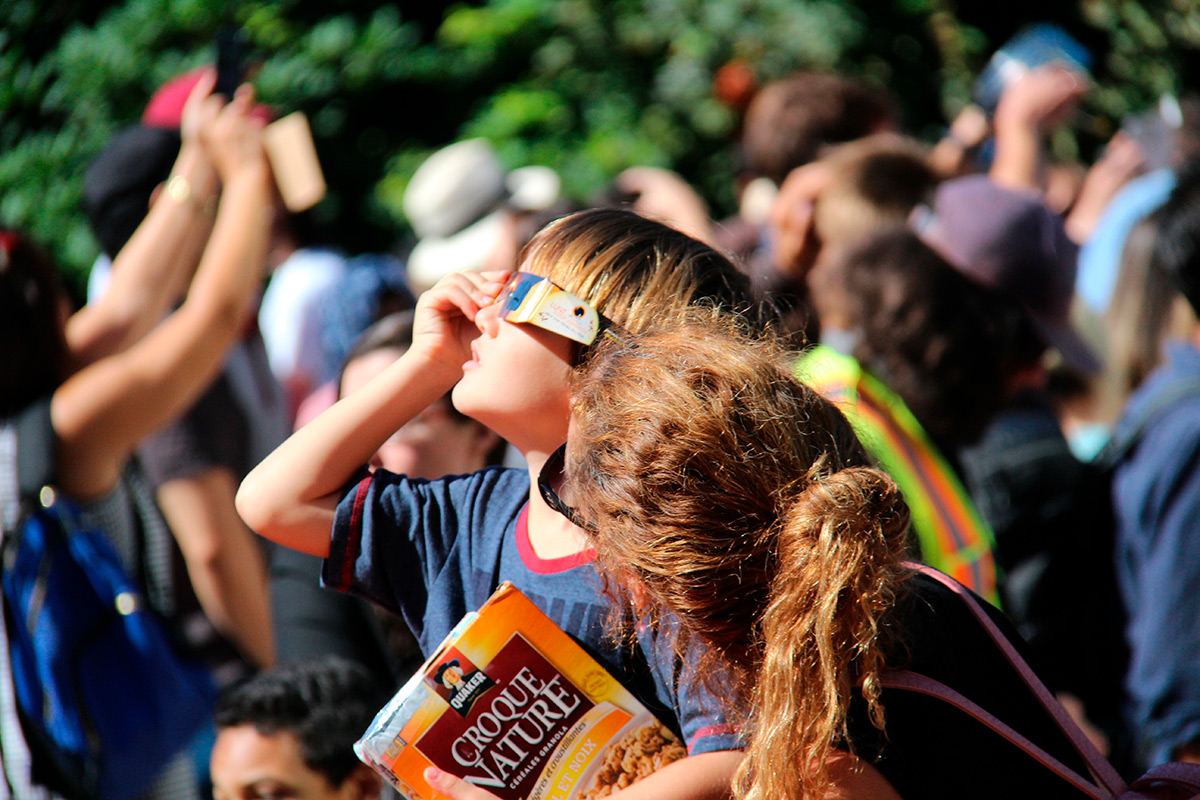
To watch the next solar eclipse safely, always use ISO-certified eclipse glasses or another approved solar viewing filter. In France, the eclipse will remain partial, so it is essential to wear eclipse glasses at all times while looking at the Sun. Never remove your eye protection, even if the Sun looks faint, low in the sky, or nearly covered.

Solar Eclipse Eye Safety: Risks to Vision
Looking at a solar eclipse without proper protection can cause serious eye damage, including solar retinopathy, a type of retinal burn. Because the retina has no pain receptors, injury can happen without warning and may only become noticeable several hours later. Even a partial solar eclipse, including the 2026 solar eclipse visible in France, can permanently harm your vision if viewed without a certified solar filter.

What to Buy Certified Eclipse Glasses for August 12
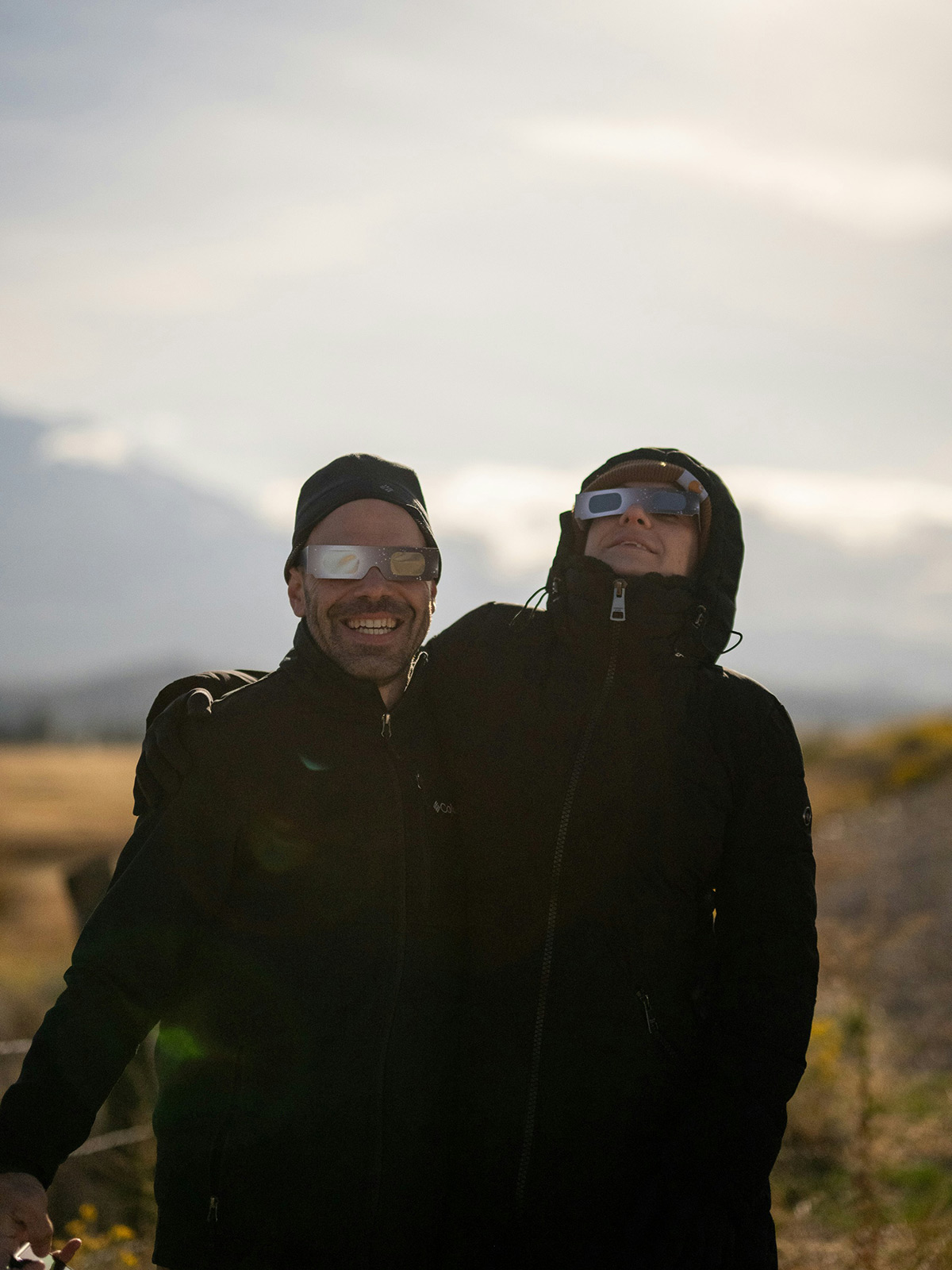
To safely watch the August 12 eclipse, make sure your eclipse glasses meet the ISO 12312-2 standard. This certification is required for filters designed for direct solar viewing and helps protect your eyes from the Sun’s harmful rays.
According to the French Astronomical Association (AFA), special solar eclipse glasses typically cost between €1.50 and €4.
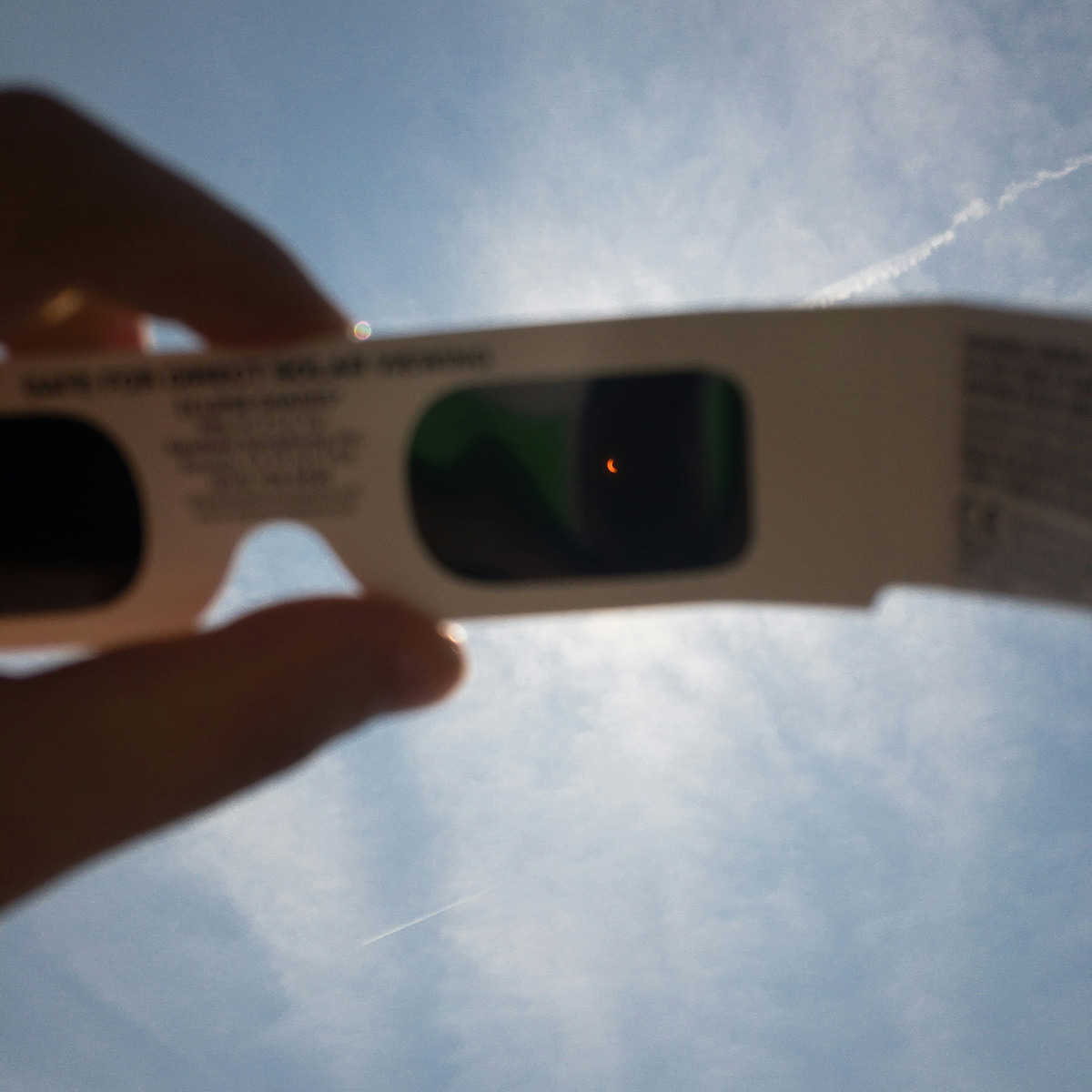
If you plan to watch the next solar eclipse, it’s best to buy your glasses early. Demand is expected to rise quickly as August 12, 2026 approaches, especially in areas that will have the best views of the upcoming partial eclipse.
Quick Tips Before You Buy
- Check that the glasses are clearly labeled ISO 12312-2
- Buy only from trusted retailers or astronomy organizations
- Avoid damaged, scratched, or counterfeit glasses
- Order early to avoid shortages before the eclipse.
Where to Buy Certified Eclipse Glasses for a Solar Eclipse
There are three main places where you can safely buy certified eclipse glasses for the August 12 solar eclipse:
- Astronomy magazines or professional astronomy publications
A good option if you only need one certified pair.
- Specialty astronomy stores
Ideal for buying between 2 and 99 certified pairs.
- Eclipse Info websites or astronomy associations
Best for larger orders of 100 to 5,000 certified pairs.
Buy 1 Pair of Certified Eclipse Glasses in an Astronomy Magazine
Professional astronomy magazines can be a convenient option if you only need one pair of eclipse glasses.
| Place | Benefits | Things to Watch |
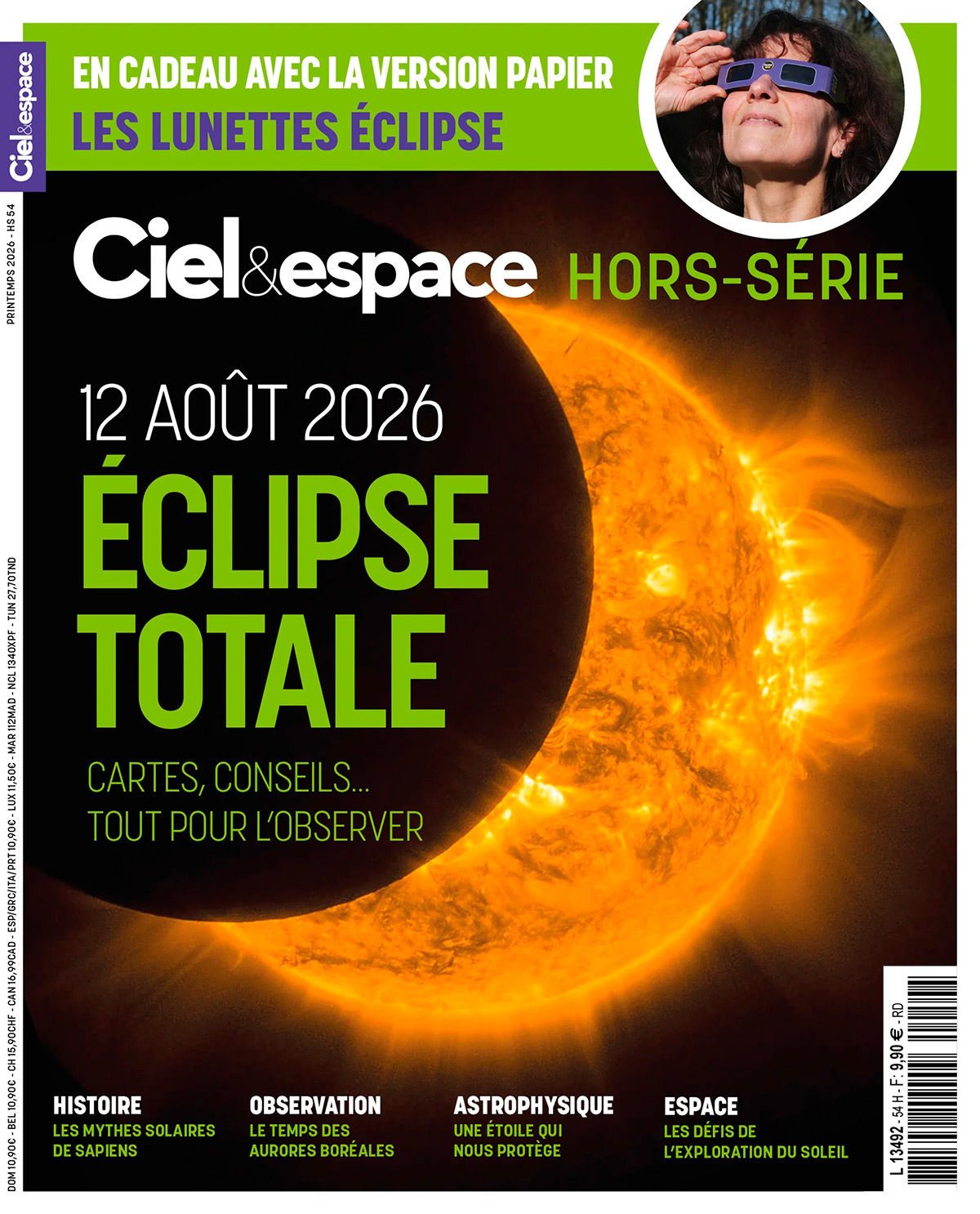
| Ciel & Espace No. 608, Special Eclipse Issue, August–September 2026 | Includes eclipse glasses and a feature on eclipses across the universe |
Availability depends on newsstand distribution. In French : « bureau de tabac, librairie, centre commerciaux » |
| Ciel & Espace Special Edition, August 12, 2016, Total Solar Eclipse, Spring 2026 | Includes eclipse glasses and a detailed guide to the August 12, 2026 eclipse |
Availability depends on newsstand distribution In French : « bureau de tabac, librairie, centre commerciaux » |
Buy 2 to 99 Certified Eclipse Glasses in a Specialty Astronomy Store
If you need several pairs, a specialized astronomy retailer is often the best choice. These stores usually offer certified solar viewing glasses, filters, and observing accessories.
| Place | Benefits | Things to Watch |
| Astro Shop | The leading online specialist for astronomy beginners and pros | 24-hour delivery available |
| Médas Instruments | Well-known specialist in astronomical equipment | Order early |
| Le Monde de l’Observation | Wide selection of accessories and filters | Read product descriptions carefully |
| Optique Bresser | Recognized brand with broad distribution | Check exact certification details |
| Baader Planetarium | Trusted reference for filters and solar observation | Some products are designed for experienced users |
| Stelvision | Popularizes astronomy for a wide audience | Check exact certification details |
| Opticians participating in the eclipse event | Local purchase, sometimes available immediately | Availability varies by store |
Buy 100 to 5,000 Certified Eclipse Glasses from Official Astronomy Organizations
For schools, associations, companies, or public events, official astronomy organizations are a strong option for bulk orders of eclipse glasses.
| Place | Benefits | Things to Watch |
| Eclipse Info by the French Astronomy Association (AFA) | Official source connected to public outreach and eclipse education | Check stock and delivery times |
| Specialized astronomy associations, local clubs, and amateur groups listed on the AFA website | Practical advice and public observing events | Availability varies by city |
Tips for Choosing Certified Eclipse Glasses
Before buying, make sure the eclipse glasses:
- Are clearly labeled as certified for direct solar viewing
- Meet the required safety standard
- Come from a trusted astronomy retailer, publisher, or organization
- Are not scratched, damaged, or expired if applicable
How Does a Solar Filter Work for Viewing an Eclipse?
A solar filter dramatically reduces the intensity of the Sun’s light, both visible and invisible, making solar eclipse observation much safer. It blocks most of the harmful radiation emitted by the Sun.
Solar filters are typically made from
- Black polymer, which produces a yellow-orange image of the Sun
- Aluminized polyester film (Mylar), a popular option because it is affordable and widely used

To safely observe the August 2026 solar eclipse, your filter must be:
- Certified
- Undamaged
- Properly installed
A filter that is scratched, punctured, peeling, or loose should never be used. For direct solar viewing, the required safety standard is ISO 12312-2.
Solar Eclipse Filter for an Amateur Telescope
When using an amateur telescope, the solar filter must always be installed at the front of the instrument, covering the aperture.
Never place a solar filter at the eyepiece. This is a critical safety rule for both:
- Visual eclipse observation
- Solar eclipse photography
For amateur telescopes, a front-mounted certified solar filter made from polymer film or Mylar is a reliable choice.
Solar Eclipse Filter for Photography
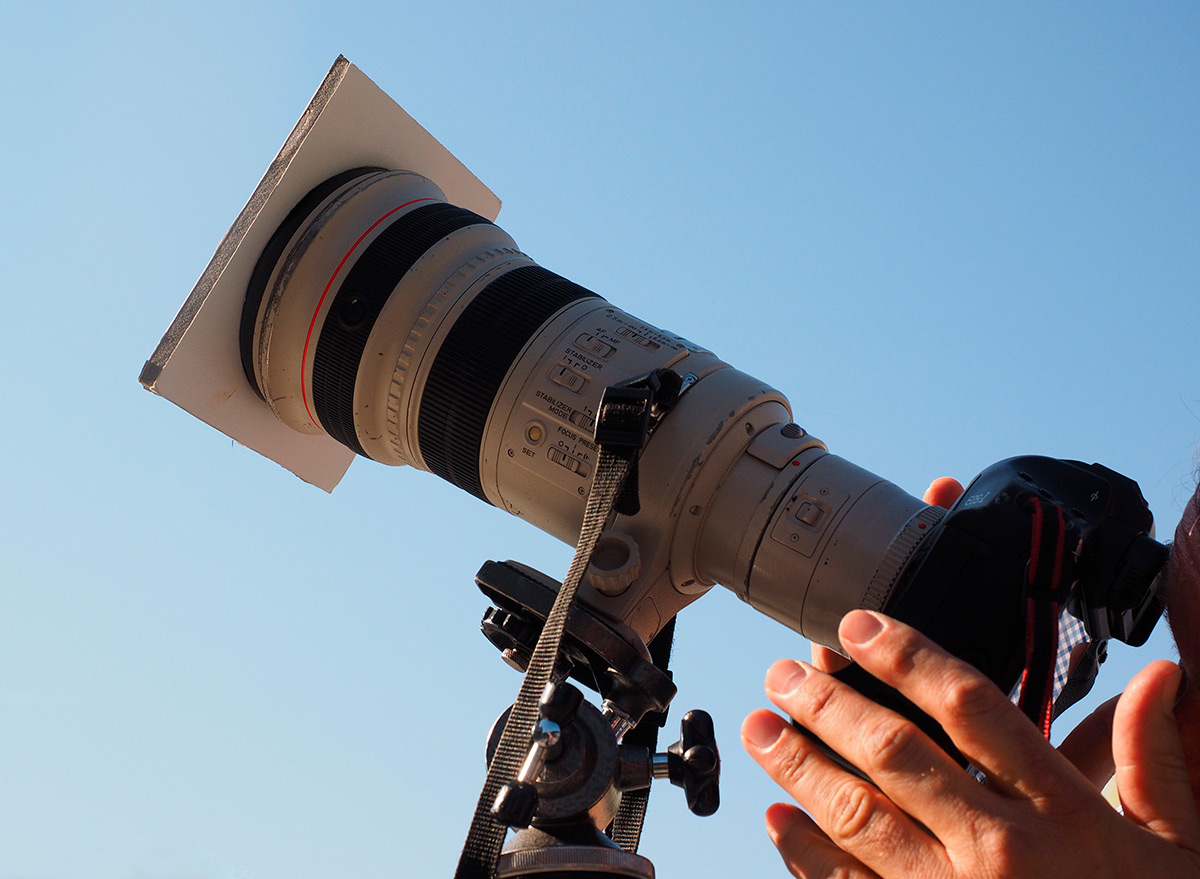
For solar eclipse photography, you will need at minimum:
- A camera body
- A stable telephoto lens
- A tripod
- A front-mounted solar filter
Photographing the August 2026 solar eclipse also requires a clear western horizon, especially if the eclipse occurs low in the sky from your viewing location.
Key Safety Tips for Eclipse Viewing
Before observing or photographing the Sun, always check that your equipment meets these essentials:
| Requirement | Why It Matters |
| ISO 12312-2 certification | Ensures the filter is suitable for direct solar observation |
| Front-mounted filter | Prevents concentrated sunlight from damaging your eyes or equipment |
| No scratches or holes | Even small defects can let dangerous light through |
| Secure attachment | Prevents the filter from falling off during use |
How to Observe a Solar Eclipse by Projecting It onto a Light Surface
For groups, indirect eclipse viewing by projection is an excellent alternative to using certified eclipse glasses. You can even try this method ahead of time using the rays of the setting sun.
Use the Pinhole Method
Take a flat piece of cardboard and make a small hole in it. Hold or place it so that the sunlight passes through the hole and projects the image of the Sun onto a light-colored wall or the ground about 3 feet away.
Important: Never look directly at the Sun through the hole.
Instead, look only at the projected image on the wall or ground. During the eclipse, this projection will show the changing shape of the Sun.
Use Everyday Objects
You can also use common household items to create multiple projected images of the Sun, such as:
- a colander
- a slotted spoon
- a skimmer
- your crossed fingers
These objects create small gaps that act like pinholes, projecting tiny images of the Sun onto the ground. During a solar eclipse, they will also project the shape of the eclipse.
Trajectory of the August 12, 2026 Solar Eclipse
Solar Eclipse Path Around the World
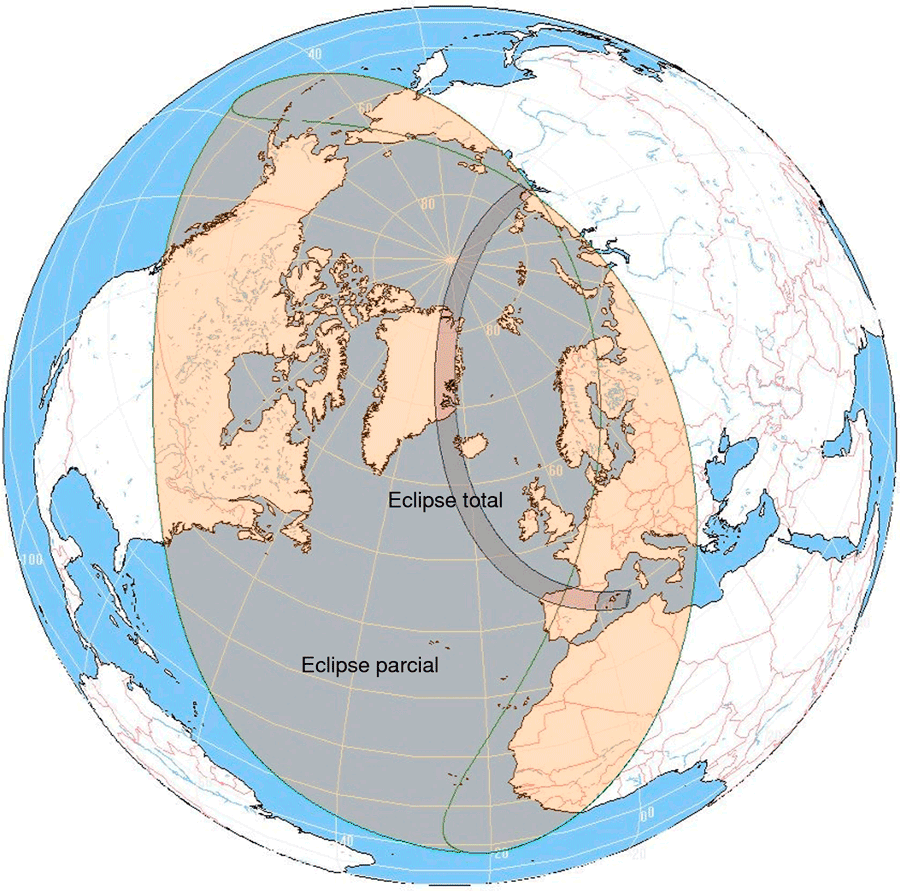
The August 12, 2026 solar eclipse will first cross the high latitudes of the Northern Hemisphere. The path of totality will pass over Russia, Canada, Greenland, Iceland, Europe, Spain, and West Africa. France will remain outside the central path, but the eclipse will still be highly impressive there, especially along the Atlantic coast and in the southern regions.
Eclipse Coverage in Europe
The August 2026 solar eclipse will be visible across a wide portion of Europe. All of mainland France will be able to see the event as a partial solar eclipse. The path of totality will pass farther south, mainly across Spain. A global eclipse map for August 12, 2026 will therefore be essential for choosing an observation site with a clear view of the horizon.
Path of the Partial Solar Eclipse in France
In France, the August 12, 2026 solar eclipse will begin at around 7:20 PM, with the maximum eclipse occurring near 8:20 PM, depending on the city. The Sun will be very low on the horizon, creating unusually dramatic viewing conditions. This will give the eclipse in France a rare visual quality, combining golden light, dimmed skies, and long silhouettes.
Path of the Total Solar Eclipse in Spain
To experience the total solar eclipse on August 12, 2026, viewers will need to travel to Spain, along a line roughly connecting Oviedo, Burgos, and Palma. There, the Moon’s shadow will end its journey in a remarkable black sunset, making this one of the most memorable eclipse-viewing opportunities in Europe.
When and Where to Watch the August 12 Eclipse in France
The August 12, 2026 solar eclipse will be visible across mainland France. For the best viewing experience, choose a location with a clear, unobstructed western horizon, since the eclipse will occur close to sunset.
Best Places to See the Eclipse in France
The most sought-after viewing spots will include:
- Atlantic coastal areas
- Open hilltops and elevated viewpoints
- Urban belvederes with wide western exposure
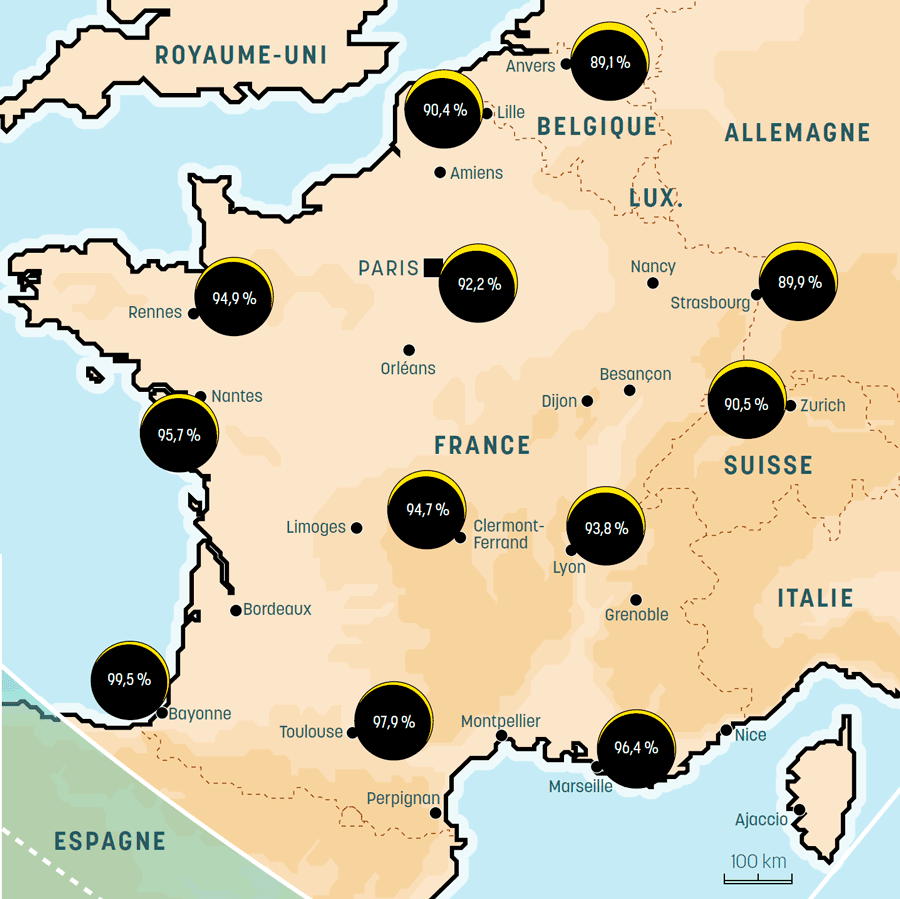
The western and southwestern regions of France will enjoy the most impressive eclipse coverage.
Top Cities for Eclipse Viewing
Several cities stand out as especially favorable for observing the event:
- Biarritz
- Bordeaux
- La Rochelle
- Brest
- Nantes
- Toulouse
Among them, Biarritz will offer one of the most dramatic views, with the Moon covering up to 99.5% of the Sun.
Why This Eclipse Matters
Beyond its astronomical appeal, this solar eclipse in France will also highlight how people use public open spaces at sunset. For local authorities, architects, and landscape designers, it may serve as a valuable case study in collective gathering and spatial design.
How to Follow the Event Live
If weather conditions interfere with local viewing, several reliable sources are expected to provide live coverage of the next solar eclipse:
- Éclipse Info
- AFA – Association française d’astronomie
- Science news outlets
- Specialized video platforms
Solar Eclipse in France: Times and Coverage on August 12, 2026
The times below are given in French local time — the same time shown on your phone or watch in France — which will be UTC+2 in August. They are based on the ephemerides published by the Time-Space Laboratory of the Paris/Meudon Observatory.
Here are the viewing conditions and visibility details for the next solar eclipse on August 12, 2026, according to the LTE.

Paris
In Paris, the August 12, 2026 solar eclipse will begin at 7:22 PM. The maximum eclipse will occur at 8:17 PM, with the Sun reaching 92.2% coverage. Further south and along the Atlantic coast, the experience will be even more spectacular.
Eclipse Coverage in Southern and Western France
- Marseille: eclipse coverage will reach 96.3%
- Toulouse: coverage will rise to 97.8%
- Bordeaux: coverage will reach 97.6%
Biarritz: One of the Best Places to Watch
In Biarritz, the 2026 solar eclipse will peak at 99.5% coverage, making it one of the best places in France to observe the event.
Best Places to See the August 12, 2026 Solar Eclipse in France
The August 12, 2026 eclipse map and the table below can help you compare the best viewing areas depending on your local horizon conditions.
| Eclipse Coverage | City | Start Time (First Contact) | Maximum Eclipse | End Time (Fourth Contact) | Sunset | |
| 92,20% | Paris | 19 h 22 | 20 h 17 | 21 h 09 | * | 21 h 11 |
| 96,30% | Marseille | 19 h 31 | 20 h 25 | 21 h 15 | * | 20 h 46 |
| 93,80% | Lyon | 19 h 27 | 20 h 21 | 21 h 11 | * | 20 h 53 |
| 97,80% | Toulouse | 19 h 31 | 20 h 26 | 21 h 17 | * | 21 h 02 |
| 95,10% | Nice | 19 h 31 | 20 h 24 | 21 h 14 | * | 20 h 39 |
| 96,00% | Nantes | 19 h 24 | 20 h 20 | 21 h 13 | 21 h 22 | |
| 96,00% | Montpellier | 19 h 31 | 20 h 25 | 21 h 15 | * | 20 h 52 |
| 89,90% | Strasbourg | 19 h 23 | 20 h 16 | 21 h 07 | * | 20 h 49 |
| 97,60% | Bordeaux | 19 h 29 | 20 h 25 | 21 h 17 | * | 21 h 13 |
| 90,40% | Lille | 19 h 19 | 20 h 14 | 21 h 06 | 21 h 13 | |
| 96,50% | Brest | 19 h 22 | 20 h 19 | 21 h 13 | 21 h 37 | |
| 96,00% | Lorient | 19 h 23 | 20 h 20 | 21 h 13 | 21 h 31 | |
| 96,80% | La Rochelle | 19 h 26 | 20 h 22 | 21 h 15 | * | 21 h 18 |
| 99,50% | Biarritz | 19 h 31 | 20 h 26 | 21 h 18 | * | 21 h 14 |
Important visibility note for some cities
* For these cities, the French Astronomical Association (AFA) notes that the end of the eclipse — or the maximum phase for Strasbourg and Nice — will occur when the Sun has already set or is very close to the horizon (less than 2° above it). A fully unobstructed ocean view or a flat horizon will be essential for the best chance of observing the event.
Astronomy apps to follow the eclipse in real time
To track the eclipse live, astronomy apps such as Stellarium, SkySafari, and Sky Guide will be especially useful. These tools provide the Sun’s position, local eclipse times, and real-time sky maps.
On YouTube, science media channels and observatories will likely offer special livestream coverage of the August 2026 solar eclipse.
What are the next solar eclipses visible from France?
After the August 12, 2026 solar eclipse in France, another important date will follow soon after.
August 2, 2027: Partial solar eclipse in France
On August 2, 2027, a total solar eclipse will be visible across North Africa and southern Spain. In France, the eclipse will be partial. You can learn more about the timing, circumstances, and visibility of the August 2, 2027 solar eclipse on the LTE website, in the ephemerides published by the Laboratoire Temps-Espace of the Paris/Meudon Observatory.
January 26, 2028: Annular solar eclipse in French Guiana
On January 26, 2028, an annular solar eclipse will primarily affect French Guiana. The Laboratoire Temps-Espace at the Paris/Meudon Observatory already provides detailed ephemerides, including the circumstances and visibility of the January 26, 2028 solar eclipse, on the LTE website.
September 3, 2081: Total solar eclipse in France
For mainland France, the next total solar eclipse will not occur until September 3, 2081. For many people, that long wait makes the 2026 solar eclipse especially meaningful. It will not be total in France, but it will still offer a rare, emotional, and unforgettable skywatching experience for anyone who loves astronomy.
Lear more in French
- Éclipse de Soleil en France : lancement de l’Année de la Lumière à Lyon
- Roland Lehoucq « La « nuit » durant une éclipse totale »
- Eclipse de Lune, événement astronomique et lune rousse
Partners: ESA, CNES, Observatoire de Paris, CEA, Institut d’Astrophysique Spatiale, Meteo-France, ICI, Fédération nationale des Francas, Ciel et Espace
Poursuivez votre recherche