
Lighting Design 2055: What Are Themes of the Future? ACE White Paper
In a constantly changing world, how can we envision the future of the lighting design profession? Lighting will increasingly serve as a vehicle for experience, well-being, and sustainability. It is within this dynamic that the white paper titled ‘Lighting Design 2055’ was conceived. This document embodies the optimism and commitment of a profession undergoing significant transformation.
The book was developed by the French Association of Lighting Designers so call ACE, featuring contributions from lighting designer Roger Narboni, the association’s president Vincent Thiesson, the administrator Vinca Guezennec, and editorial coordinator Lucie Cluzan. The collaboration involved nine professional lighting designers, a roundtable discussion in Paris, two interviews with renowned professionals, and seventeen conceptual projects created with or without the assistance of AI. This unique document provides an ambitious overview of the changes in store for lighting design.

Lighting Design 2055 is not only a roadmap for lighting designers but also a call to action for everyone who believes in a future where light contributes to a better world. Additionally, it serves as a source of inspiration for other creative fields, including architects, landscape architects, designers, and interior designers. By 2055, lighting will be much more than a necessity; it will be a source of human connection.
Lighting Design 2055: Vision, Challenges, and Assumptions
This white paper is part of a forward‑looking initiative. At the heart of the project lies the future of the lighting design profession. In April 2024, under the impetus of Roger Narboni and with the support of Vincent Thiesson, president of the ACE, a think tank was launched. Meeting regularly, its members explored the future of their field – both urban and interior lighting – through futuristic scenarios projected over 5, 10, 20, and 30 years.
This collaborative effort brought together nine lighting designers: Lionel Bessières, Soizick Bihen, Sara Castagné, Caterina Colle, Rozenn Le Couillard, François Migeon, Roger Narboni, Vincent Thiesson, and Timothé Toury. They are the co‑authors of this publication.
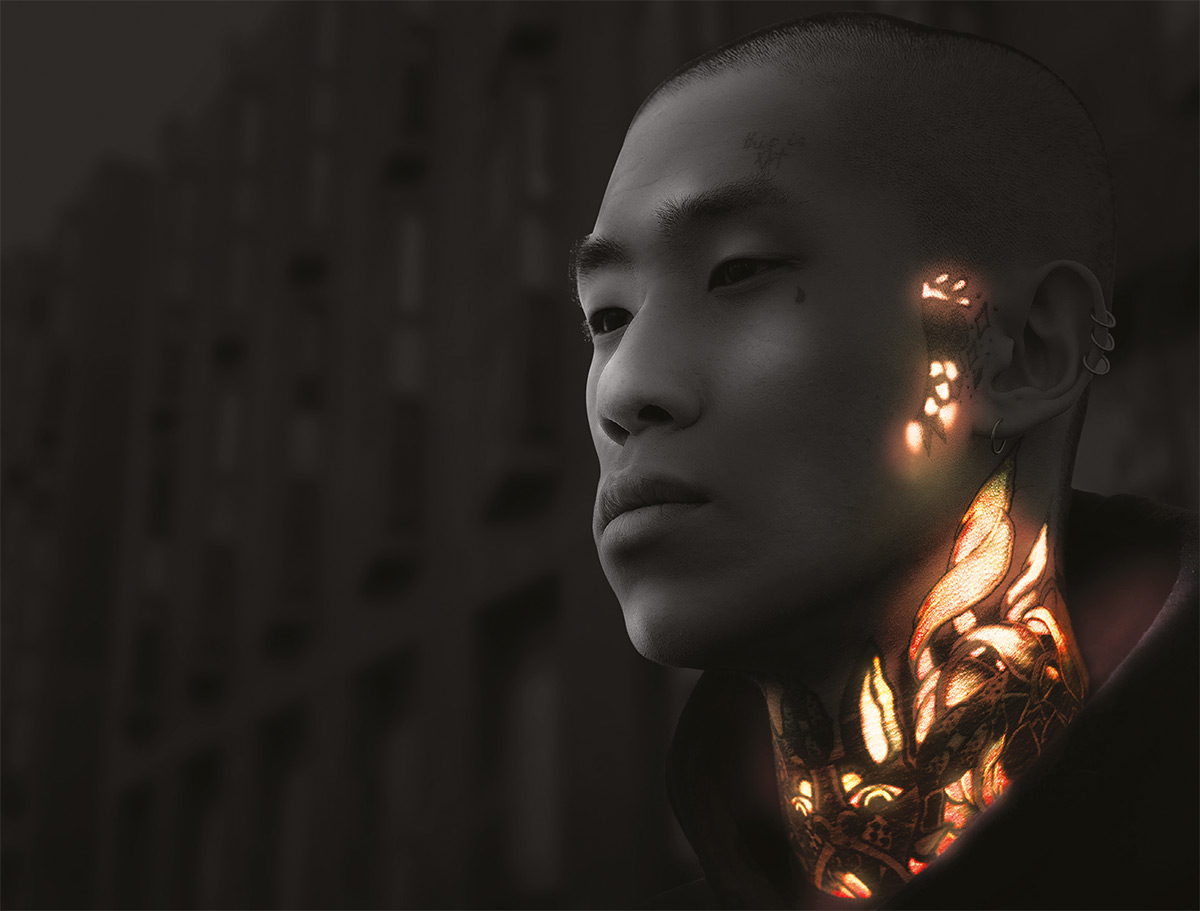
Reflecting on what the profession will look like in three decades, the ACE has established clear objectives: to promote sustainable lighting that is environmentally friendly and responsive to the needs of users. Indeed, since the light pollution regulation in France was enacted at the end of 2018, it is no longer possible to design urban lighting without considering its impact on the night sky, and by extension, on biodiversity, wildlife, and the flora of our planet Earth. Within our habitats, the question of our health is also crucial. With the stimulating effects of screens on sleep, the observation is distressing: a gradual decrease in rest time is noted for both adults and children, according to the 2017 Public Health France barometer.
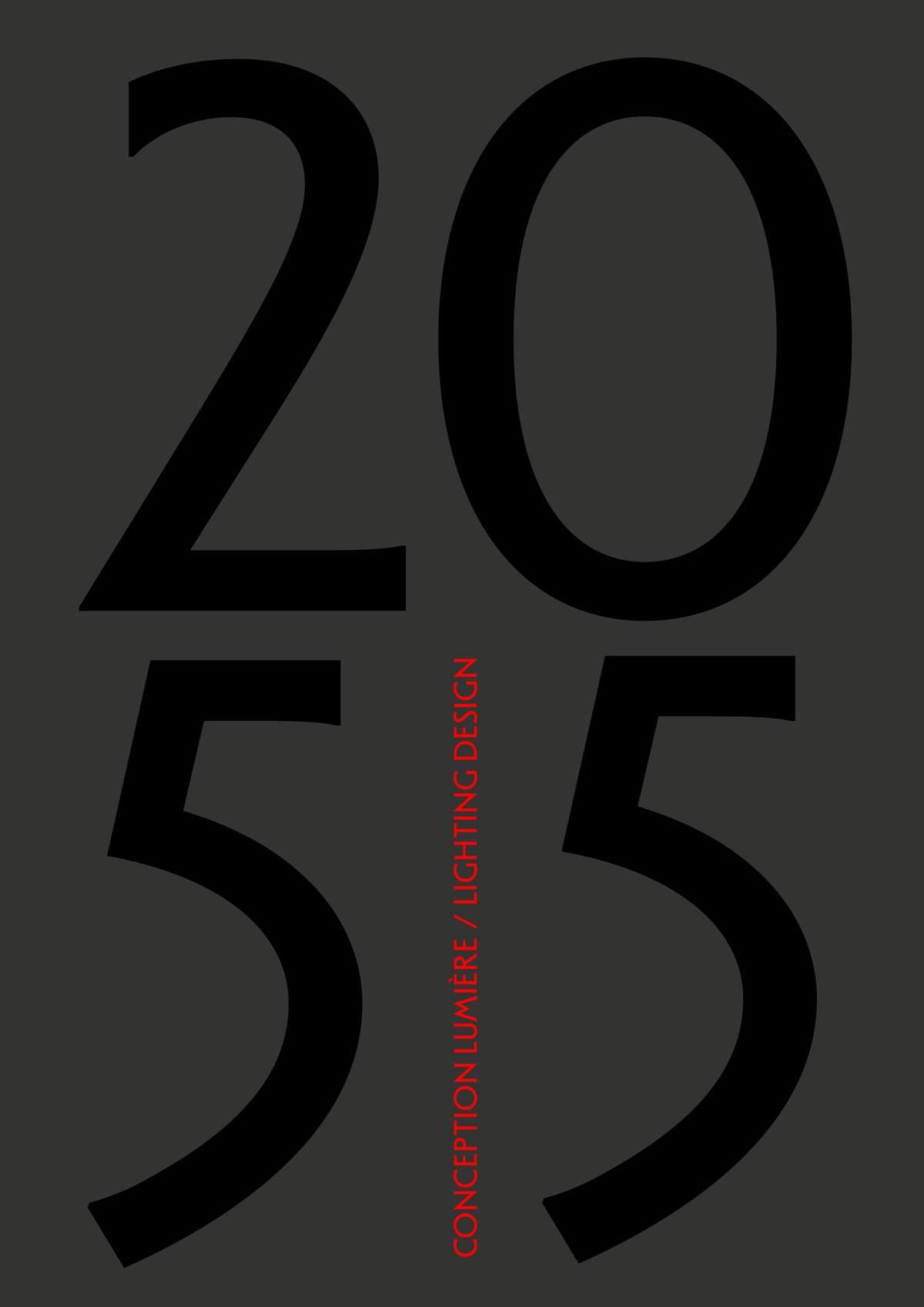
This bilingual French and English collective work of 114 pages serve as a reflective notebook in A4 format. Although its black cover, which is hard to read in print and features selective varnish on the date and vertical title, may initially be off-putting, this white paper invites a deep reflection on the future of light.
The vision for 2055 outlined in this white paper describes a profession in profound transformation that has already existed in France for over 45 years. The lighting designer plays a central role, as lighting will become our primary source of life, even more than it is today. With this forward-looking publication, the profession positions itself as a key player in the energy transition and the revitalization of public spaces. Call up the lighting designers for your next project!
Two Interviews with Renowned Professionals
The white paper is structured to provide the reader with an enriching and diverse experience. It consists of two captivating interviews: one with Mark Major, a British lighting designer from Speirs Major Light Architecture, and the other with Christophe Martinsons, a researcher and PhD in physics and energy, followed by seven thematic chapters.
Mark Major: Towards a More Specialized Lighting Design
Through an insightful interview with lighting designers Mark Major, Roger Narboni, and Vincent Thiesson, this work positions itself as an essential guide for professionals in the field. Mark Major, co-founder of Speirs Major Light Architecture, envisions a significant evolution in lighting design. According to him, the profession will diversify even further, with specialties ranging from urban planning to hospitality and well-being. “The lighting business will be increasingly divided into specializations,” he explains, citing his agency’s expertise in interior lighting design for cathedrals and airports. These dynamic offers fertile ground for growing expertise, including the establishment of a master’s level training program in France, which ensures ever-finer practices tailored to contemporary needs.
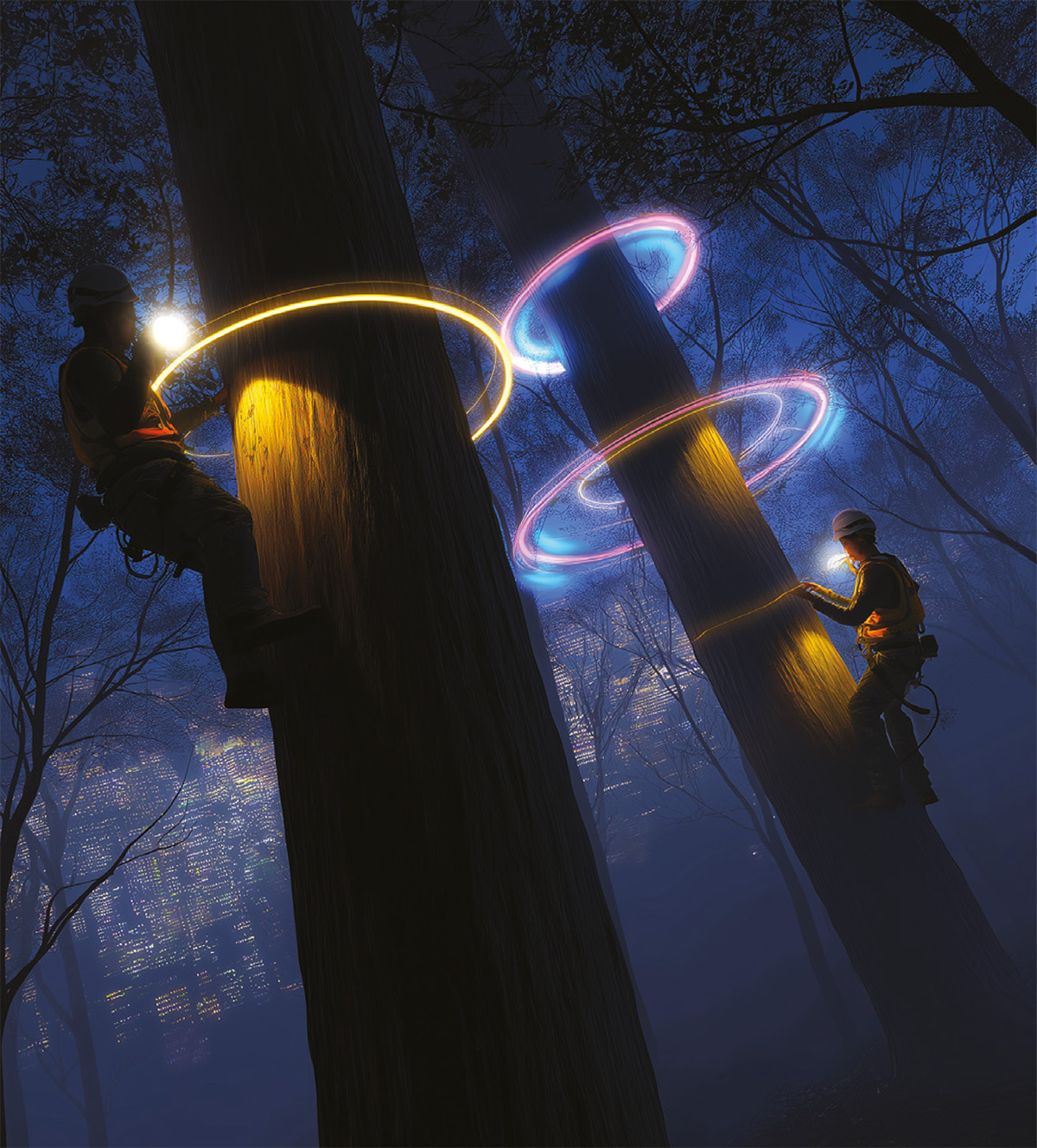
The white paper also emphasizes the importance of adequate education for lighting designers. Major highlights the necessity of integrating more disciplines, such as ecology, biology, and carbon impact, into the design process. “The use of external experts is therefore essential,” he points out. “In the future, consulting firms will be created to support agencies like ours specializing in the field of lighting.” This exchange of knowledge could transform practices, propelling lighting design into new horizons and increasing the number of professionals in the industry.
Christophe Martinsons: Towards Human Health-Friendly Lighting
In another captivating conversation between Christophe Martinsons from CSTB and lighting designers François Migeon and Roger Narboni, insights emerge regarding the future of lighting in response to climate challenges. Christophe Martinsons highlights that, despite the intensification of heat waves that “forces people to seek shade and darkness” during the day, “the simple act of working at night and shifting work schedules poses a challenge for circadian rhythms […] because we are active at night.” It is crucial to rethink our lighting environments to preserve our health and well-being. The growing awareness of the impact of light on our health marks a turning point.
Christophe Martinsons emphasizes the need for higher quality light – softer and more diffuse – to promote optimal well-being within buildings. Lighting should become an ally rather than an obstacle, as seen in outdoor lighting with light pollution.
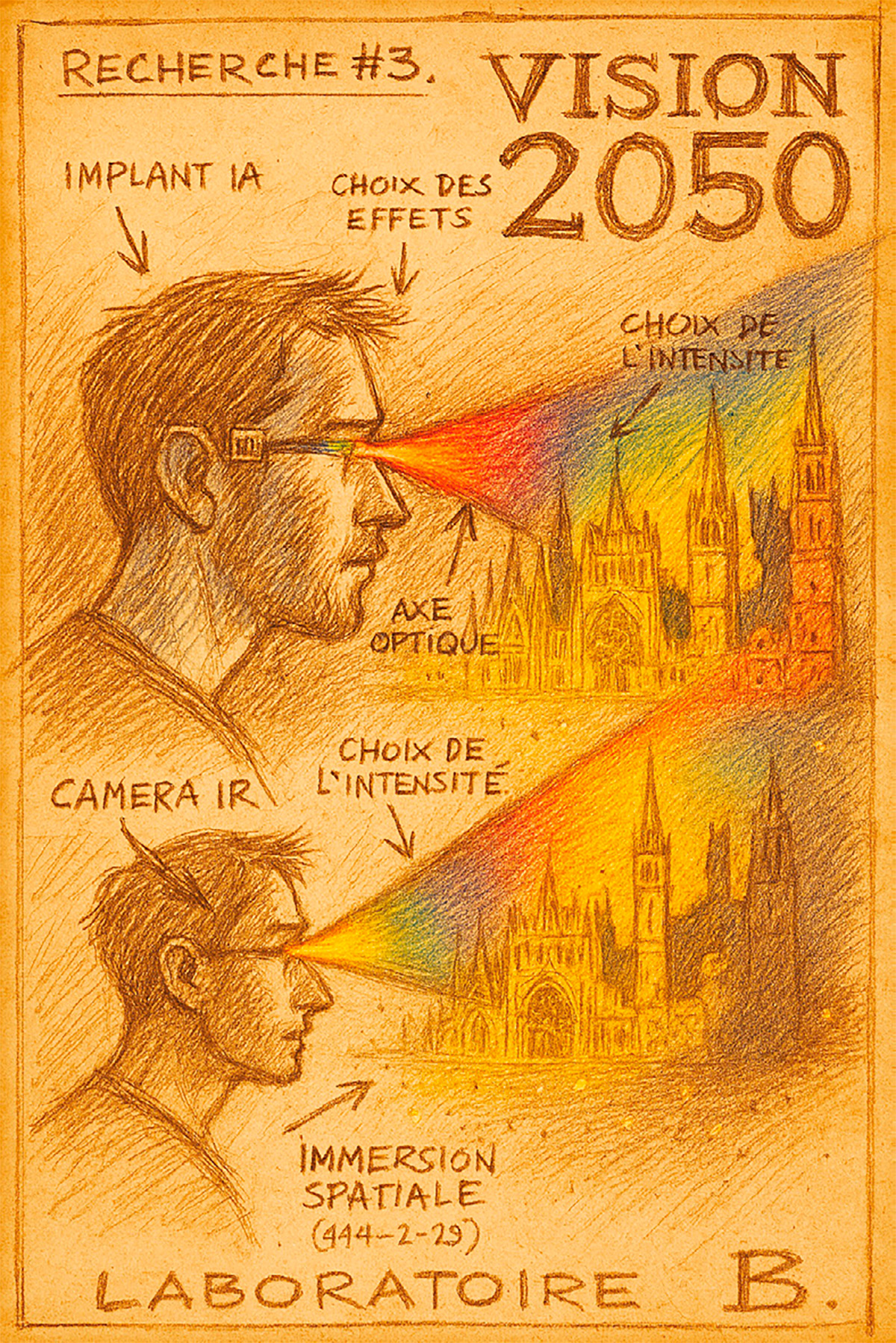
Emerging initiatives aim to incorporate this knowledge into the education and training of lighting designers. The potential for regulations regarding the right to daylight, as seen in London for buildings, or more proactive measures for public and indoor lighting, could be key to the future. This would ensure that light better contributes to our quality of life while respecting our biological rhythms. “I believe that the challenges for 2055 primarily involve adapting existing structures in our cities and neighborhoods.” This also opens opportunities to innovate in lighting design by integrating more natural light.
Lighting Design 2055: A Thematic Exploration in Seven Chapters
The seven thematic chapters cover a variety of topics, including darkness, urban transformations, health and well-being, and the role of artificial intelligence in light design. To discuss the themes presented in this white paper, roundtables were held in Paris on July 10, 2025, during a Café des Allumées. These discussions enriched the insights of the nine light designers from the think tank and contributed to the depth of the publication.
Darkness: A New Profession for Night Designers?
The revival of darkness in urban settings invites a reconsideration of nighttime usage. Here, raising awareness among both children and adults is crucial, as the fear of the dark is deeply rooted in our collective consciousness.
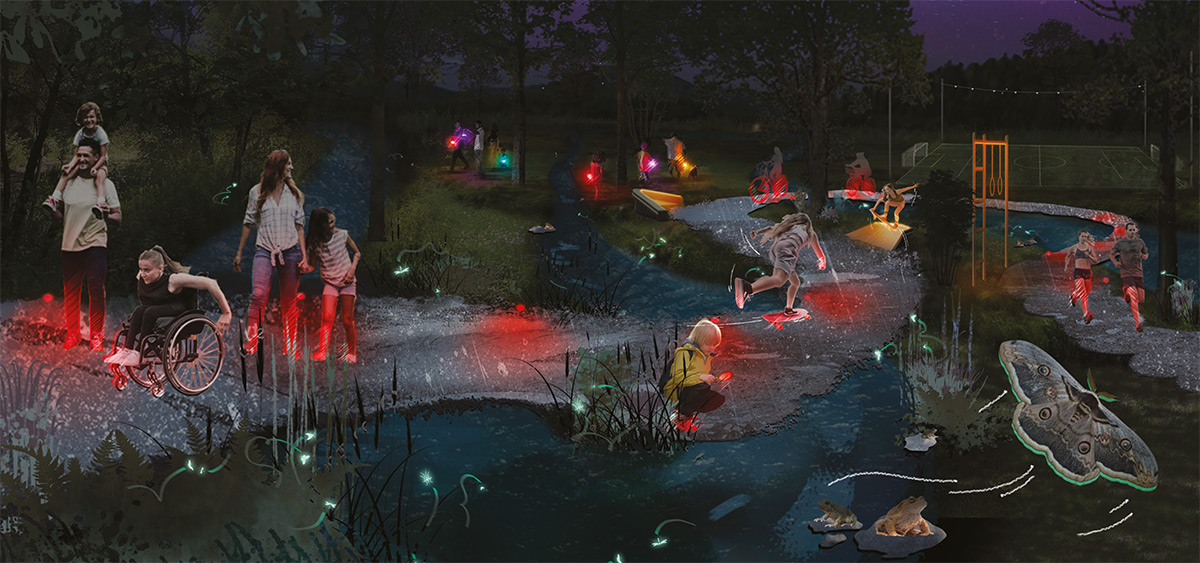
By 2055, if darkness is to be preserved as a cultural heritage, a proper balance between night and light must be established. It will be essential to consider the context of each project. The white paper discusses this shift towards the emerging profession of night designer.
Urban Mutations and Nighttime Mobility: Towards Inclusive Design
The city is undergoing a profound transformation. Recent discussions on urban lighting reveal a new ambition: to create lighting that adapts to users, their nighttime needs, and micro-events. With the emergence of the « Night Mayors, » lighting design is evolving toward an inclusive experiential design.
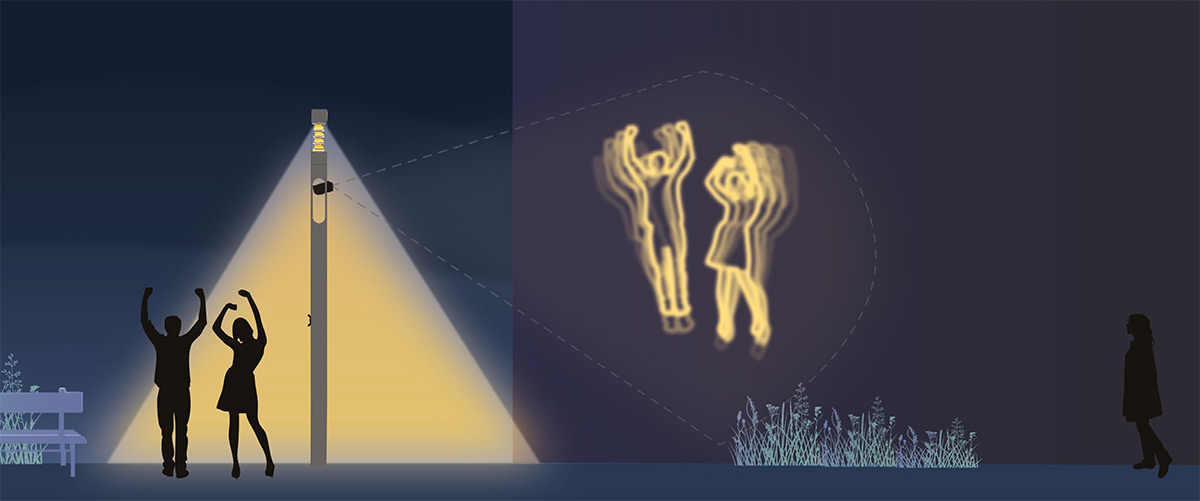
By 2055, city dwellers will enjoy a reimagined urban landscape where light encourages sharing, interaction, and safety. Is this a call to reinvent our streets to make them more welcoming?
Renovation, Ecodesign, and Rural Areas: Between Reuse and Bioluminescence
What if lighting were a tool for rural revitalization? Light can transform neglected spaces into vibrant places. By 2055, in the context of a materials crisis, lighting designers will breathe new life into abandoned fixtures. Reuse will turn constraints into opportunities. What about bioluminescence? You will discover the answer in this white paper.
Health and Well-being: Attending to everyone’s Lighting Needs
Soon, lighting design will undergo a profound reinvention. By integrating light therapy and advancements in neuroscience, lighting designers will address the specific needs of everyone, whether a child or a senior citizen.
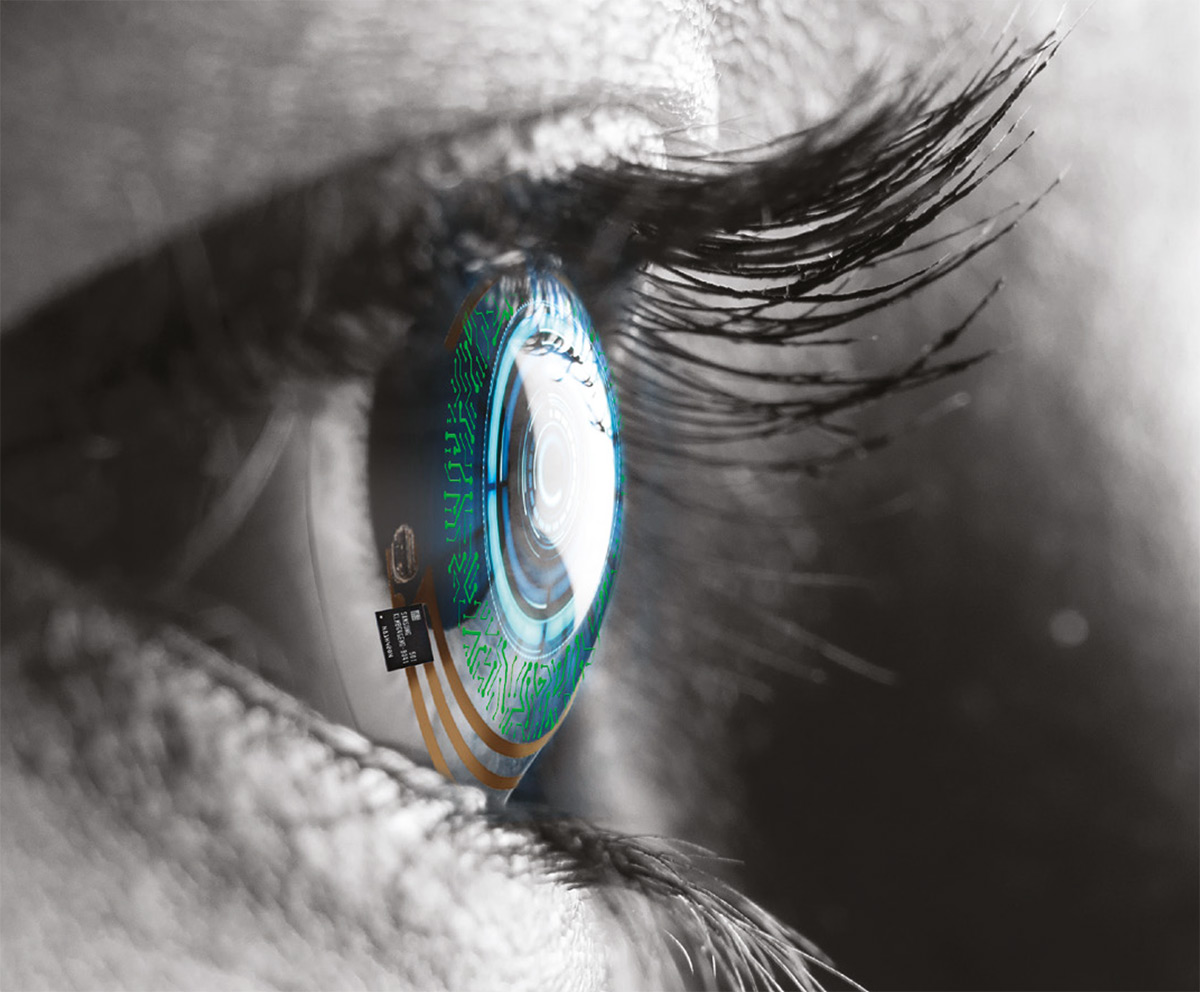
Public lighting projects will evolve into spaces where everyone can customize their lighting ambiance, such as adjusting the color temperature. By 2055, the harmony between natural and artificial light promises to enrich our daily lives while preserving our environment.
Interiors: Adaptability in Residential Lighting
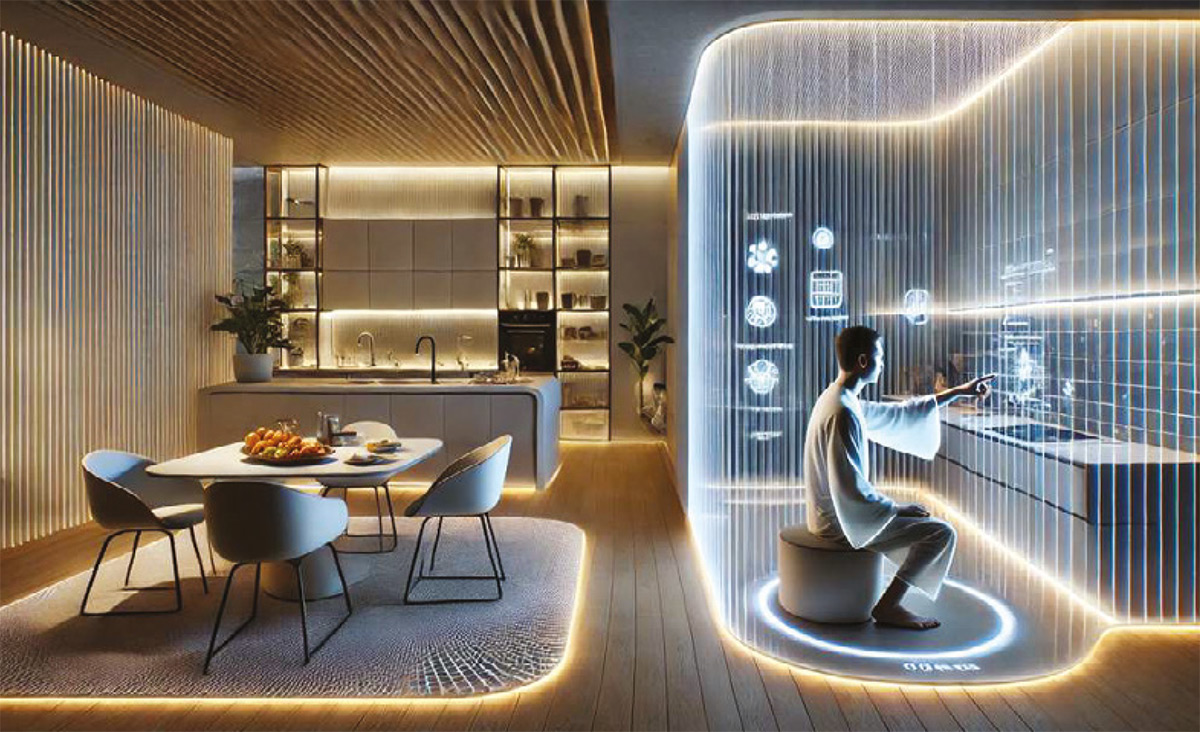
In a world where technology is rapidly advancing, lighting design is transforming to embrace adaptability. Lighting designers are paving the way for innovative interior spaces. Thanks to LED lighting, the range of colors has become more vibrant; it allows for the adjustment of each ambiance according to mood and time of day.
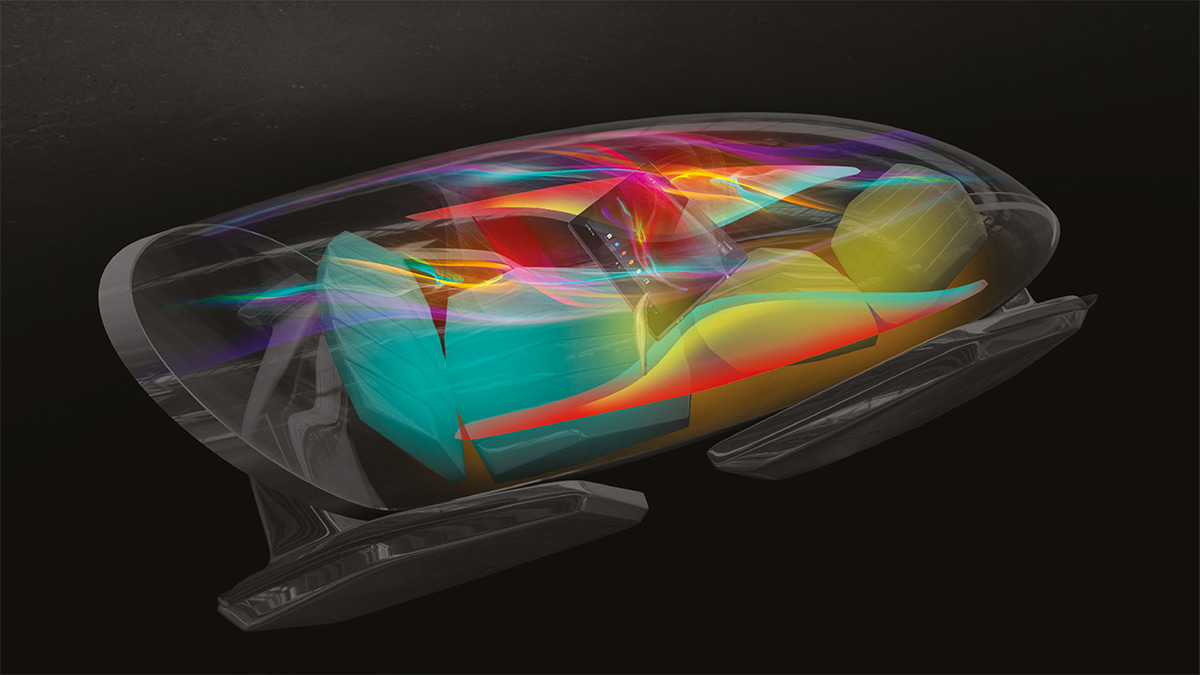
By incorporating smart systems, lighting projects will be conceived holistically, adapting to users’ needs and promising immersive and personalized experiences.
Artificial Intelligence: The New Lighting Designer?
Artificial intelligence is emerging as a revolutionary tool in the field of lighting design. To envision the role of AI in lighting design, the white paper poses the question to ChatGPT: How do you see it evolving? The AI responds: « By 2055, with approximately 30 years of additional progress, we can imagine that AI in lighting design will be capable of performing much more sophisticated functions. Here are some likely scenarios:
- Creation/aesthetic design
- Technology & infrastructure
- Responsiveness/interaction
- Optimization & efficiency
- Ethics, social impact, and urban development
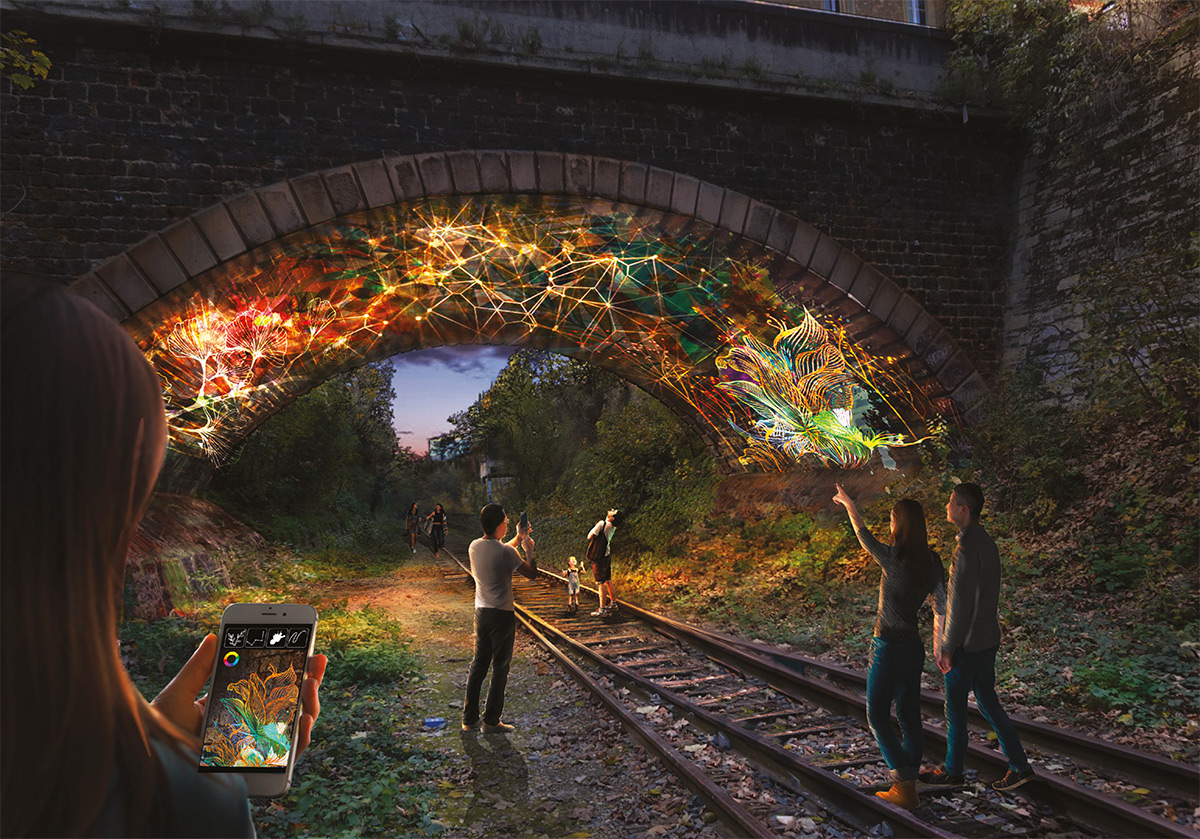
There’s no doubt that generative image AI will allow lighting designers to bring innovative ideas to life while preserving the essence of their expertise, culture, and emotions. Will it foster a promising collaboration between humans and machines? As Lucie Cluzan notes in the white paper, « The lighting designer will always remain the guarantor of the technical feasibility of the proposed lighting effects. »
Imaginary Prize of ACE 2025: A Leap Towards a Bright Future
On its 30th anniversary, ACE launched the « Imaginary Prize, » inviting designers to envision bold lighting projects for 2055. The proposals from the 17 nominees for the ACE « Imaginary Prize, » presented at the end of this publication, showcase avant-garde artworks that celebrate daring projects from francophone lighting design agencies.
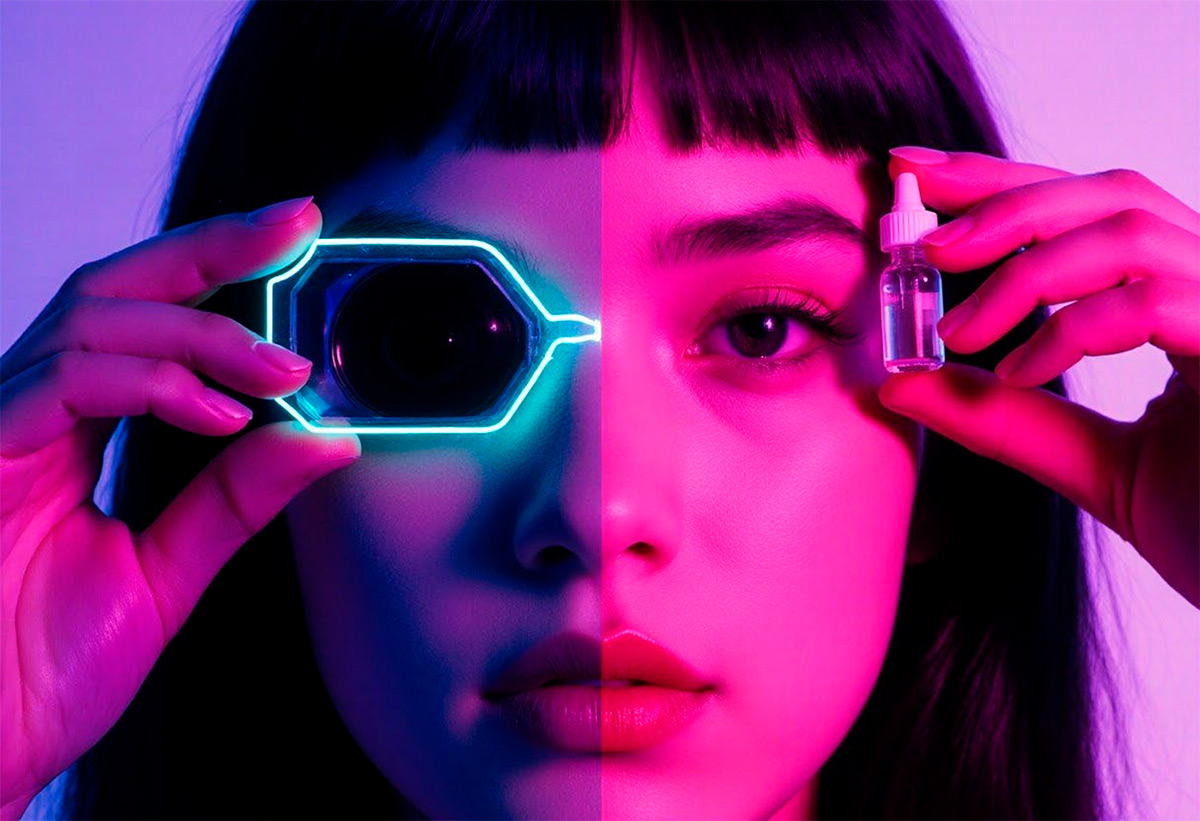
Roger Narboni emphasizes the importance of projecting into the future, as analyzing urban development’s allows us to anticipate upcoming transformations in lighting. Among the creations are installations that humanize public spaces while advocating for sustainability. From bioluminescent lighting to autonomous environments, each project illustrates a possible future where light and nature coexist harmoniously.
Flip Through and Read the White Paper: Lighting Design 2055
With the permission of ACE, Light ZOOM Lumière is pleased to share the online flipbook from the white paper on its issuu platform. So, take some time to browse through it during your next train or plane ride, for example!
In short, these initiatives highlight the importance of lighting design education in France. They encourage us to rethink our relationship with darkness and light, paving the way for a more human and welcoming nighttime city. The future promises to be filled with ideas and possibilities!
Learn more
Équipe du projet
Livres
Conception lumière et mise en œuvre des trames noires
 |
Découvrez les trames noires, une révolution verte en ville ! Initiées en 2011 à Rennes, elles transforment l'éclairage urbain. Un guide collaboratif pour tous. |
Éclairage et lumière du IIIe millénaire, 2000-2050, un livre collector
 |
Le phénomène éclairage a vécu une mutation. Ville, architecture, conception lumière, pollution lumineuse... Qu'en sera-t-il demain ? |
La conception lumière, appréhender le contexte, les enjeux et les acteurs
 |
Coordonné par l’ACE et rédigé par 57 contributeurs représentatifs du projet d'éclairage, nouvel ouvrage de référence pour la conception lumière au Moniteur. |
Poursuivez votre recherche